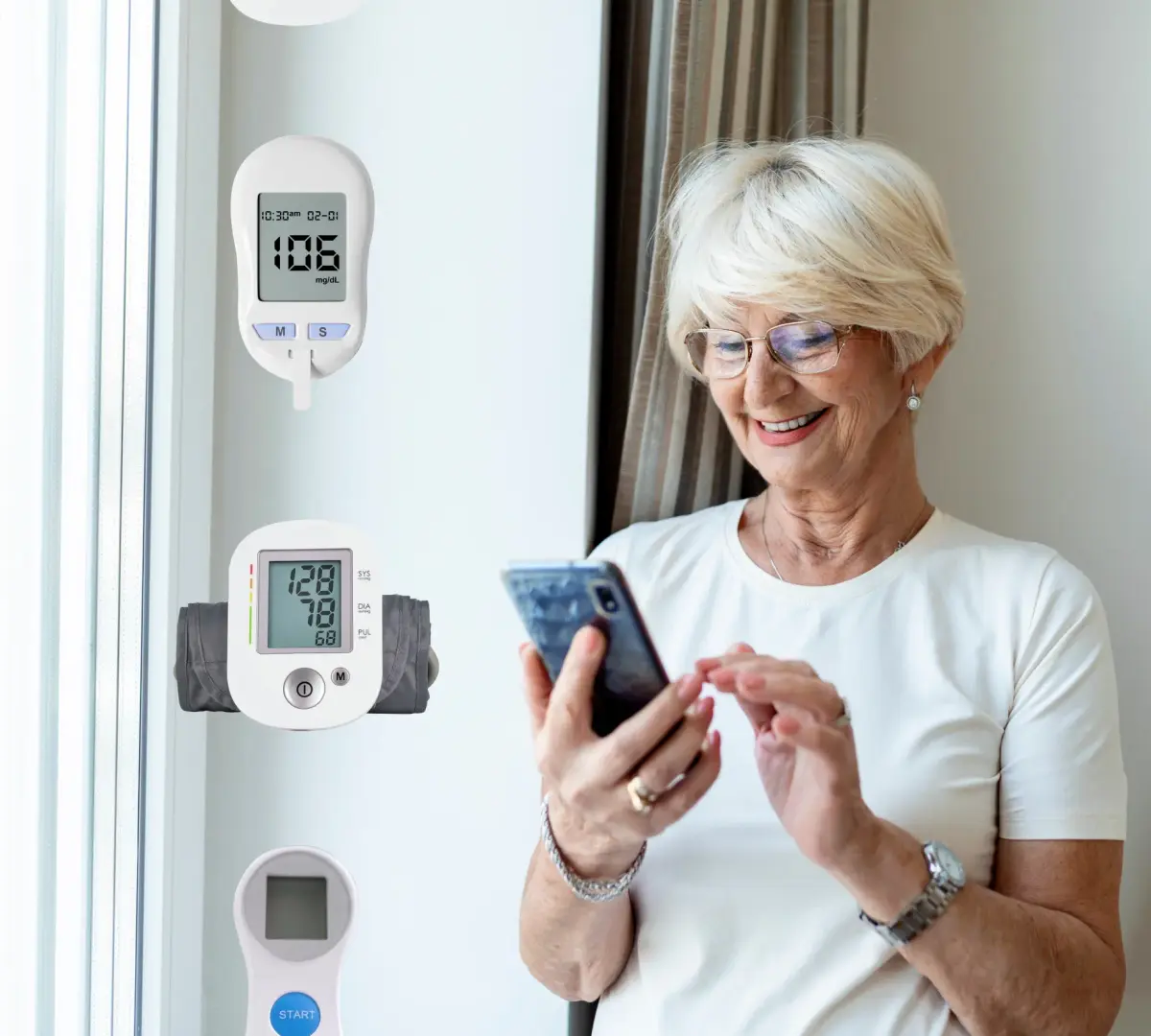

The speed of technological evolution is really high in the medical industry, and doctor appointment booking app development is no exception. While guides have been created about this process before, we want to provide one that goes in-depth and explains modern 2026 approaches.
Current research indicates that online appointment booking can revolutionize efficiency in healthcare and provide greater accessibility to patients, with 58% of appointments now booked online. However, this niche still faces some challenges, including data security, interoperability, and adoption. Luckily, these can be worked through with the help of professionals, and that’s just what we aim to do.
So, today’s article will introduce some core information about appointment apps, explain why they’re a worthwhile investment, show off their benefits, and, of course, take you through the process. We’ll discuss the creation of a doctor appointment app development as a complex endeavor, encompassing planning, monetization, and testing. By the end, you should know exactly how to bring your ideas to life and create high-quality appointment software.
Why the Demand for Doctor Appointment Apps is Rising
Companies looking to develop a doctor appointment app already know that the market for them is booming. With a cap of $11.93 billion, projected to rise to $38.26 billion in just five years, online consultations are a massive part of the healthcare industry, and software for them is essential.
As 91% of US residents own a smartphone, it’s clear that a mobile app can handle the bulk of traffic for such services, combining the convenience of portable devices with accessible medical services. Combine the prevalence of mobile solutions with the growing market, and you have a clear reason to invest in a doctor appointment app.
Key Benefits for Patients and Healthcare Providers
Patients who access an appointment app benefit from being able to book a visit in seconds, clearly seeing all available options, and paying upfront if necessary. All with just their mobile device, requiring no computers, phone calls, or in-person attendance. This makes it easier to fit a necessary appointment into one’s busy schedule and allows for direct communication with the doctor’s office.
Meanwhile, doctors benefit from having a centralized information hub and the ability to track patients’ visits and communicate with them in case of an urgent need to relay information. Combining such apps with the medical office’s ecosystem makes it even more effective and allows staff to coordinate the entire workday with ease.
But dwelling on the benefits isn’t as important as actually learning the full extent of the doctor appointment app development. So let’s begin with the first essential step.
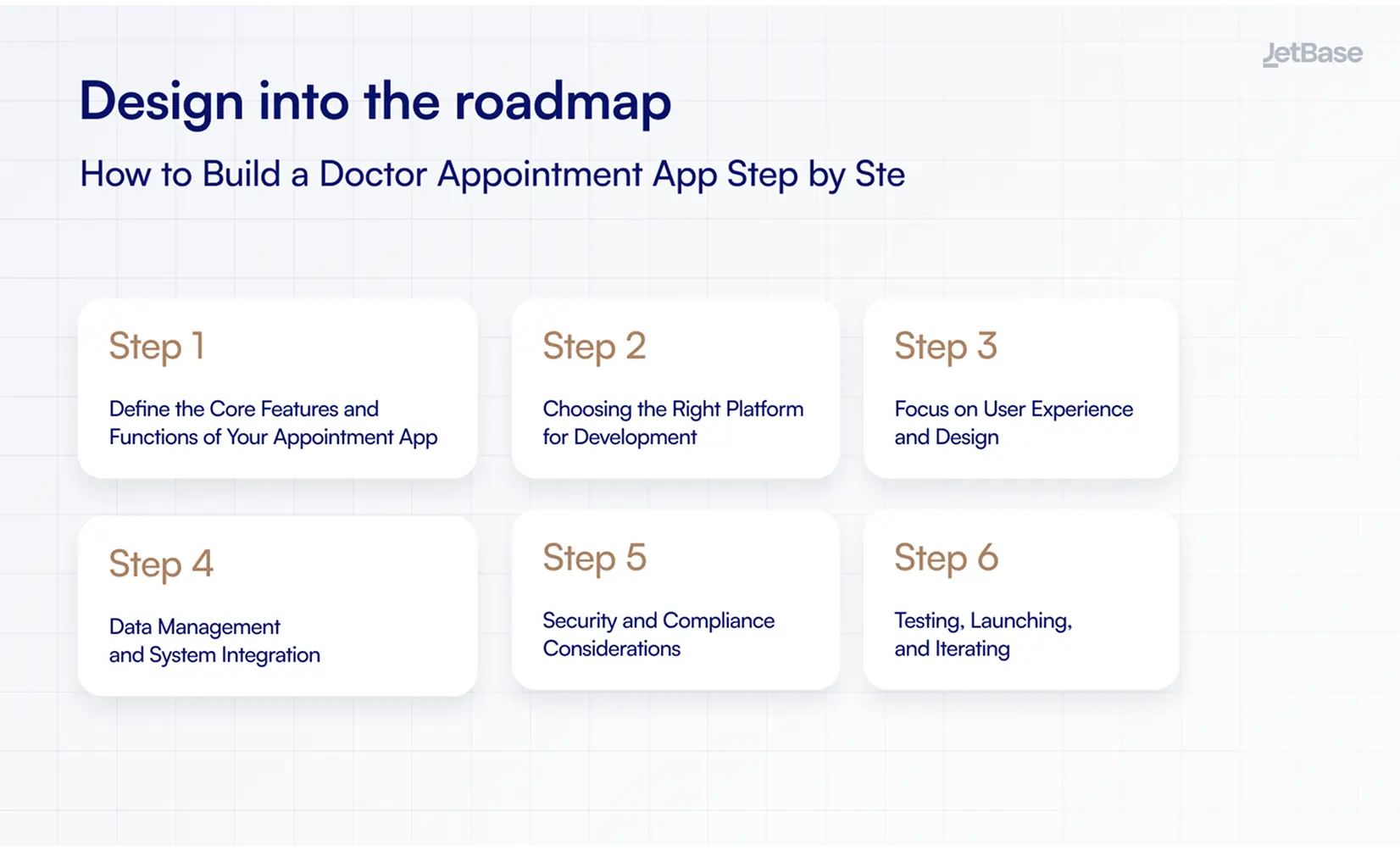
Step 1: Define the Core Features and Functions of Your Appointment App
A booming market is a positive thing, but it also poses a challenge - how to push your product to the top and distinguish it from any other doctor appointment app? Well, the key is to first and foremost provide quality. Unique features are great, but they’re nothing without a solid base, so here’s what you will need.
Essential Features for Patients
First, the functionality that patients require to see the value in your product.
- Scheduling Appointments
The absolute core of any doctor appointment app is, unsurprisingly, the ability to make appointments. From features like a calendar with real-time updates to a unified schedule that displays availability across different clinics, ensure this process is easy and comfortable for the user.
- Real-time Communication
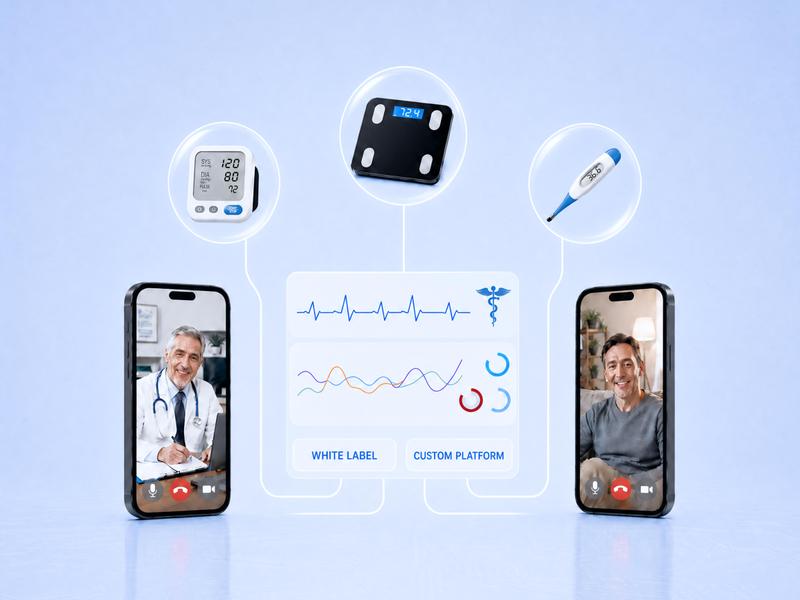
Whether it’s getting an online consultation or just quickly clarifying the details of their visit, patients must be able to get in touch with their doctors or, at the very least, their administrative staff. This typically comes in the form of a chat, though you can also implement video and audio calls. It would be a welcome boost to your app, taking it into the realm of telemedicine.
Key Features for Doctors
Just like patients, doctors using the app will need some key tools.
- Appointment Management
Being able to see all scheduled appointments, adjust timing, request repeat visits from patients, and check logs for past appointments is the bare minimum your doctor appointment app should have.
- Patient Profile Access
Doctors must also be able to access a patient’s profile to view relevant personal data, review their medical history, or simply communicate with them. It’s also a good idea to have some ability to leave notes that only the doctor can see, helping them personalize meetings with each patient.
Shared Features Across Users
Your doctor appointment app development should also include things that both sides of users find integral.
- Payment Integration
You can’t develop a doctor appointment app without any ability for patients to pay for the visit, so include gateways for all the leading payment processors, such as Stripe, PayPal, etc. This will also enable you to collect commissions, if that is your chosen monetization model.
- Notifications and Reminders
Users must be able to set up recurring reminders for their upcoming visit, with doctors able to send push notifications to indicate that the visit is approaching or that a patient must take their medication.
Step 2: Choosing the Right Platform for Development
The right architecture can be a crucial factor in doctor appointment app development, ensuring resiliency and stability.
No-Code vs. Custom Development
No-Code is great if you want to handle development yourself with minimal technical knowledge, but that’s about the extent of its advantages for this particular product. Meanwhile, custom development, especially with a skilled team, lets you optimize performance and build a future-proof product.
Key Considerations for Platform Selection (HIPAA compliance, scalability, etc.)
You don’t have to stick to mobile only for your doctor appointment app, as web apps are reasonably popular as well. However, ensure that your chosen platforms can meet your technological needs, scale to support concurrent users, and provide data security. The latter is crucial if you want your app to stay compliant with patient privacy laws.
Selecting the Best Tech Stack for Your App
Picking the optimal stack isn’t just about choosing the tool that will get the job done quickest. Apply all the same rules to this part of doctor appointment app development that you would elsewhere: ensure that the stack can sustain growth, deliver a bug-free product, and stay relevant in the future.
Step 3: Focus on User Experience and Design
A good doctor appointment app must account for all kinds of users: young and old, able-bodied and with some impairments to their sight or motor skills, tech-savvy and new to the internet. This is why design is at the forefront of the development process.
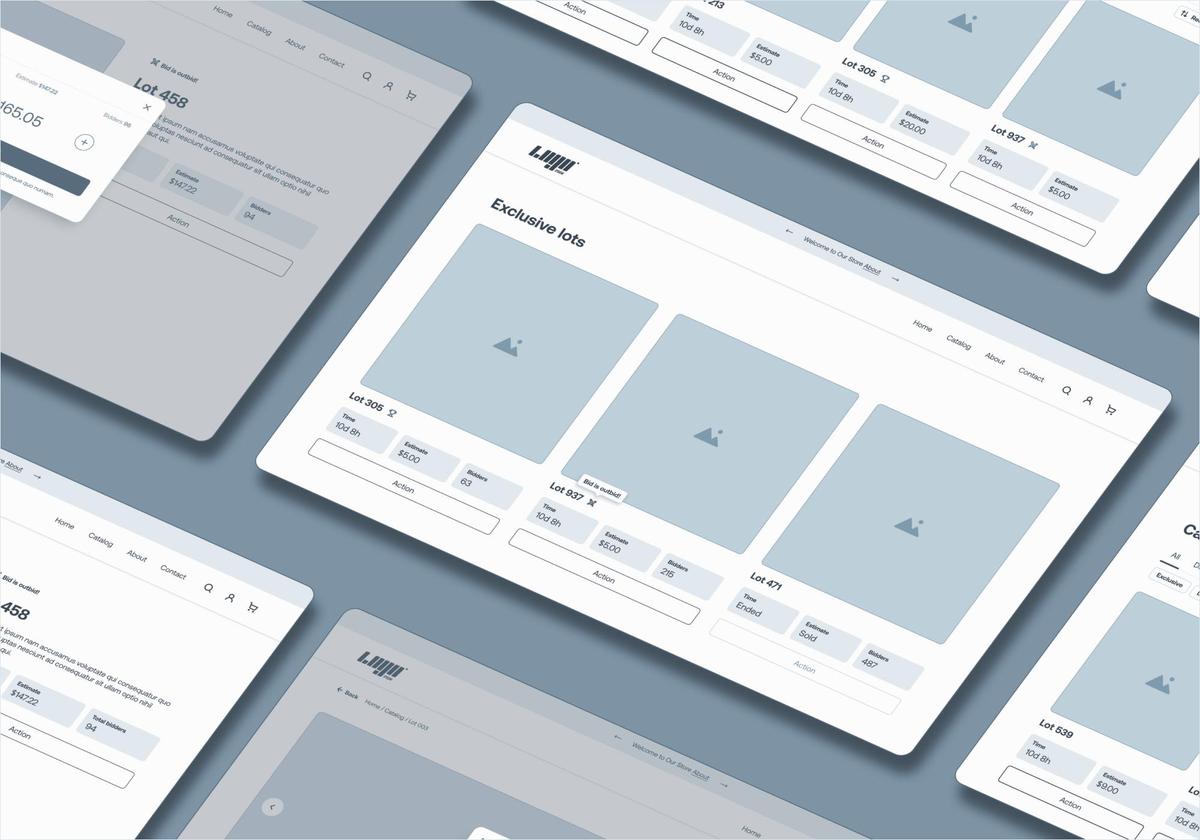
Creating an Intuitive and User-Friendly Interface
Never force users to make two taps when one will suffice, and never obfuscate, intentionally or not, baseline features. This means you want an app that appears simple while providing complex functionality, without burdening the user with unnecessary information or visuals. Plus, always iterate on your design, creating a variety of prototypes to gauge feedback.
Customization for Branding and Accessibility
Your design must also reflect the company’s branding and ethos, as well as leave room for possible partnership branding if you choose to go that route. Customization options must be created to allow users to change or enlarge fonts or tweak the color scheme.
Mobile Optimization for On-the-Go Access
Prioritize functionality in your doctor appointment app development, making an app that’s lightweight enough to work on most phone models and loads fast. This will allow users to check in even while outside their homes and quickly book appointments whenever needed.
Step 4: Data Management and System Integration
Your doctor appointment app must have constant, efficiently set up access to medical data in order to function properly. Here are some tips on connecting your app to your business ecosystem.
Managing User Data Securely
The first concern here should be keeping the users’ data private, which is typically achieved by applying encryption and limiting access to it. Having a tiered system with conditional authentication can help accomplish that.
Integrating with EHR and EMR Systems
Most of the info for the doctor appointment app will come from patient records, stored in your internal EHR/EMR systems. Connect the app to them through their APIs and use process multithreading to ensure there’s no unnecessary waiting for data in case of numerous requests.
Creating a Robust Database for App Functionality
An optimized database, preferably a cloud one, can help your app run faster, store years’ worth of communication logs, and support cross-platform compatibility. For mobile apps, we’d recommend something like SQL, with low memory requirements and, thus, stronger performance on “weaker” devices.
Step 5: Security and Compliance Considerations
We’ve already discussed security in these apps and its importance, to the extent that it’s best to dedicate a full step of your process to this aspect.
Importance of HIPAA Compliance in Healthcare Apps
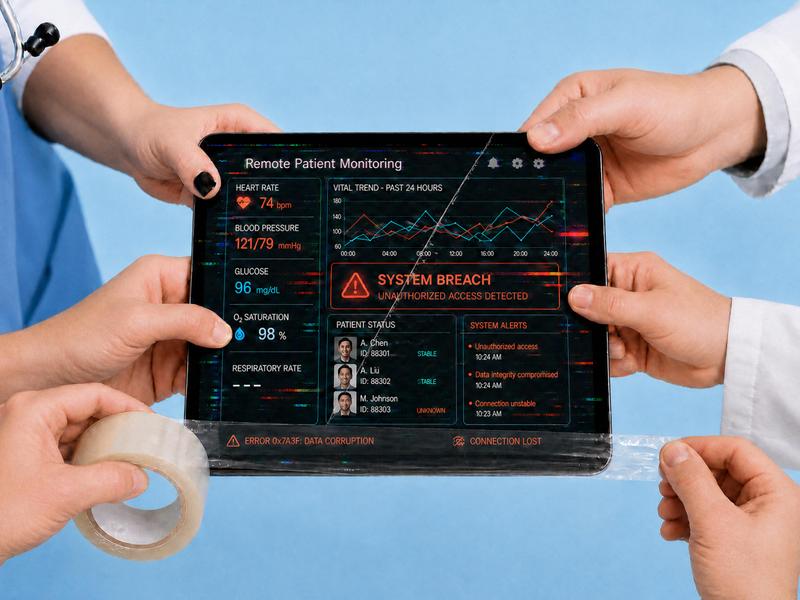
A lack of HIPAA compliance in a doctor appointment app can result in substantial fines and erode patient trust. This is because HIPAA has become an industry standard, and it primarily serves to ensure you’re meeting modern security standards, nothing more. Unless you’re looking for a $750,000 fine, HIPAA is non-optional.
Ensuring Secure Payment Processing and Data Storage
While payment data may not be subject to legislations that cover medical information, it’s still private and should be protected. Here, the core of your effort will just be establishing secure payment gateways, as the actual processors handle the bulk of the security. However, you are fully responsible for any data, including medical or payment information, that you store.
This is why it’s crucial that you use up-to-date encryption standards, both at rest and in transit, to keep patient information safe from any possible outside threats. Plus, set up monitoring with automated alerts in case of any suspicious activity. That way, you will always be warned as soon as a problem arises.
Implementing Access Control Features
Your doctor appointment app essentially has two sides: the patient-facing one and the doctor-facing one. Access controls ensure that the two don’t overlap, preventing patients from seeing private information and ensuring that doctors who aren’t working with that user do not have access to it. Limit access based on roles and IDs, allowing specific profiles only.
Step 6: Testing, Launching, and Iterating
The final stretch of active development will include you polishing the app, presenting it to the world, and taking the user feedback to improve your work.
Importance of Thorough Testing Before Launch
Pushing out a product before it’s thoroughly tested can result in poor initial performance, tanking your chances of reaching a wide audience. Instead, take your time to make the last edits and launch a quality app.
- Functional Testing
Test your doctor appointment app to ensure all features work as intended, nothing breaks in the typical user flow, and everything is easily accessible. Extensive QA work is the best way to make sure your vision is brought to life just right.
- Security Testing
This type of testing involves things like vulnerability scanning, pen tests, and security audits, internal or external. It allows you to ensure your app is protected against attacks, threats, and leaks.
Gathering User Feedback and Iterating Post-Launch
Once you’ve launched your doctor appointment app, collect user opinions and gather and process analytics. This will allow you to set the app’s future direction and push updates that meet user expectations.
Marketing Strategies to Attract Users
Pick strategies to promote your app through things like:
- Partnerships;
- Press releases;
- Social media ads.
Partnering with clinics for marketing also has the benefit of establishing connections that might be useful for your monetization.
| Method | Partnerships | Press releases | Advertising |
|---|---|---|---|
| Pros | Connection to doctors and medical companies for further collaborations | Higher brand recognition, long-term promotion | Instant boost to user numbers, potential to go viral |
| Cons | Negative reputation of partners affects app | Difficulty in getting articles in reputable media; steep prices for paid releases | No guarantee of success; high number of competitors advertising |
Step 7: Monetization Strategies for Doctor Appointment Apps

To ensure longevity and recoup the cost of doctor appointment app development, your product will require a solid monetization strategy. Here are some tips on making the right choice.
Freemium Models vs. Subscription Plans
You can either provide access to a baseline level of functionality at no charge with some premium features gated off, or leave all of it locked under a subscription plan. Both have their merits, as free functions will likely draw new users in, but a subscription model incentivizes brand loyalty.
In-App Purchases and Premium Features
In addition to premium features, such as 24/7 medical support or prioritized visits, your doctor appointment app can offer in-app purchases. These can include ordering medication, procuring insurance policies, or simply paying for the appointment.
Monetizing Through Healthcare Partnerships
Clinics and hospitals are key partners for a doctor appointment app, and you can work with them to promote specific listings and specialists for a reward. Boosting certain clinics in the search results is easy enough and can establish a long-term deal with a healthy profit.
Doctor Appointment App Development Cost Breakdown
The key question most companies will have about doctor appointment app development is the matter of price. While each product in this field has its own cost, we can narrow down the general range by looking at the factors that dictate the final price of an appointment app.
Factors Impacting the Development Cost
Three core factors determine how much you’ll have to spend to develop a doctor appointment app, all of them fully under your control. We’ll talk about each separately to explain how they stack up.
- Features and Customization
A pretty straightforward factor - the more features and custom design choices you want to add to the app, the more expensive it will end up being. This extends development time, requires specific architectural choices, and generally makes a significant impact.
- Platform Choice (iOS, Android, Cross-Platform)
The reality is that most apps are better served by being on both of the leading platforms, but some companies do opt for one platform only. This can help reduce a significant portion of the final cost, but it comes at the expense of potential users. A good rule of thumb is to examine the platform distribution in the regions you plan to service. If iOS is a minor share of the market there, feel free to focus on Android for doctor appointment app development.
- Development Team Location
While you can hire an in-house team and pay them market rates that are a bit steep, many businesses opt to outsource the work. Choosing a region with generally lower salaries, such as Southeast Asia, can help decrease the cost of development substantially. However, it’s crucial that you strike a balance hiring workers who are both affordable and experienced.
We’d break down these factors’ influence as follows:
| Factor | Influence on cost (out of 100%) |
|---|---|
| Features and customization | 50% |
| Platform choice | 20% |
| Development team location | 30% |
Average Cost Estimates for Development
We understand that most people want more detailed information, including specific numbers, to give them a better idea of the investment required to develop a doctor appointment app. Here’s what the general cost breakdown looks like in our opinion:
| Development step | Cost |
|---|---|
| Market research and planning | $4000 - $6000 |
| UX/UI design, wireframing, prototyping | $7000 - $10000 |
| MVP development | $15000 - $25000 |
| Customization and feature addition | $10000 - $30000 |
| Testing and security enhancement | $8000 - $12000 |
| Post-launch support and analytics | $7000 - $15000 |
Please note that this is for a relatively simple type of appointment app, a quality product, but not one that seeks to have an incredible technological edge over the competition. Choosing to use more advanced, modern tech like AI-powered features or AR/VR capability will increase the cost of your doctor appointment app.
Common Misconceptions About Doctor Appointment Apps
While many people are glad to adopt modern solutions, as evidenced by the statistics we’ve shown above, some companies still have reservations about doctor appointment app development. In this section, we aim to dispel the two biggest fears associated with this software:
- Worries about data privacy;
- Interoperability issues.
Overcoming Concerns About Data Privacy
Our guide to doctor appointment booking app development has already addressed the issue of creating a secure environment for your product. Those tips will help ensure your app is fully private and compliant with all relevant data legislation. However, you must also take steps to show users that your app is trustworthy. After all, plenty of products and businesses have shown the opposite.
Therefore, include options to view stored data for each user and the ability to request data deletion. We’d also suggest a choice to submit some health information anonymously, where only the doctor and the patient can actually see the user’s identity. This will be important for those with more sensitive conditions, such as STDs.
Addressing Integration Challenges with Existing Healthcare Systems
Most hospitals and clinics already have a complex system in place that coordinates data sharing and network connections between their software and hardware. Adding another piece to this puzzle, even just an API from a doctor appointment app, can be challenging.
The best way to approach this is by ensuring your ecosystem is fully modernized and supports up-to-date solutions and connectivity. This automatically eliminates the challenges that legacy systems face, while also optimizing your system’s performance. Plus, make sure that any connections between the doctor appointment app and the rest of your system are secure.
Case Studies and Examples
We’ve talked at length about doctor appointment booking app development and the challenges associated with it, but we want to make it clear just how great a success story with such an app can be. Here are three examples of appointment apps that have taken the market by storm:
- Zocdoc;
- Practo;
- HealthTap.
Let’s take a closer look at each of them.
Zocdoc
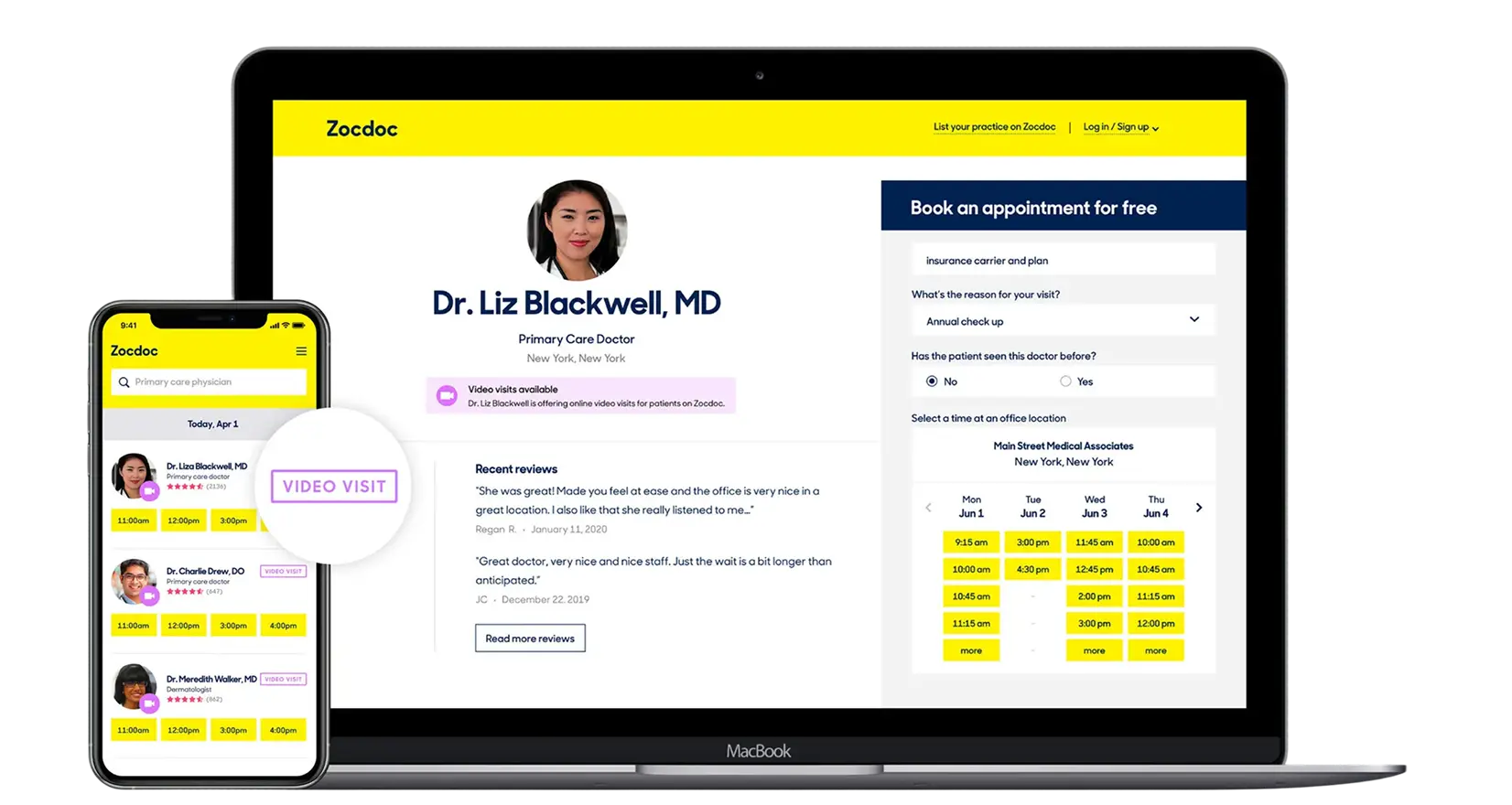
Launched all the way back in 2008, Zocdoc is helmed by former doctors and, over the last 17 years, has built a reputation as a useful tool with a simple UI and global coverage. Spotlighted in the news and advertised on social media, it’s perhaps the most prominent example of a doctor appointment app. The app is monetized via one-time commissions from doctors on each new patient, as well as sponsored listings.
Practo
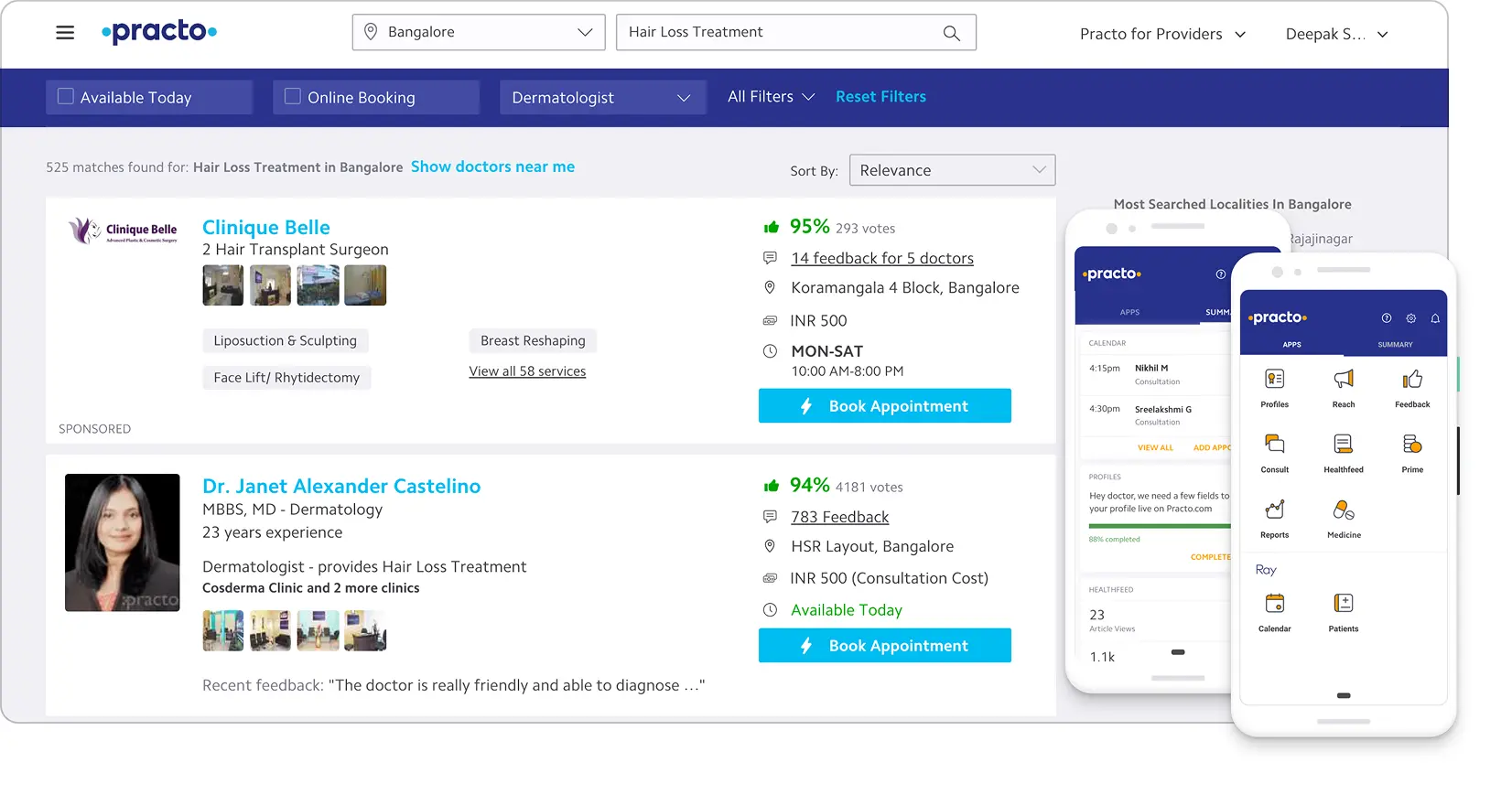
This Indian doctor appointment app was founded the same year as Zocdoc, reaching success with $420 million revenue in 2024. The app offers free access while generating revenue through commissions, drug delivery fees, and paid listing promotions. This multi-prong strategy certainly distinguishes it from rivals, as its healthy monetization has helped Practo stay viable as a business long-term.
HealthTap
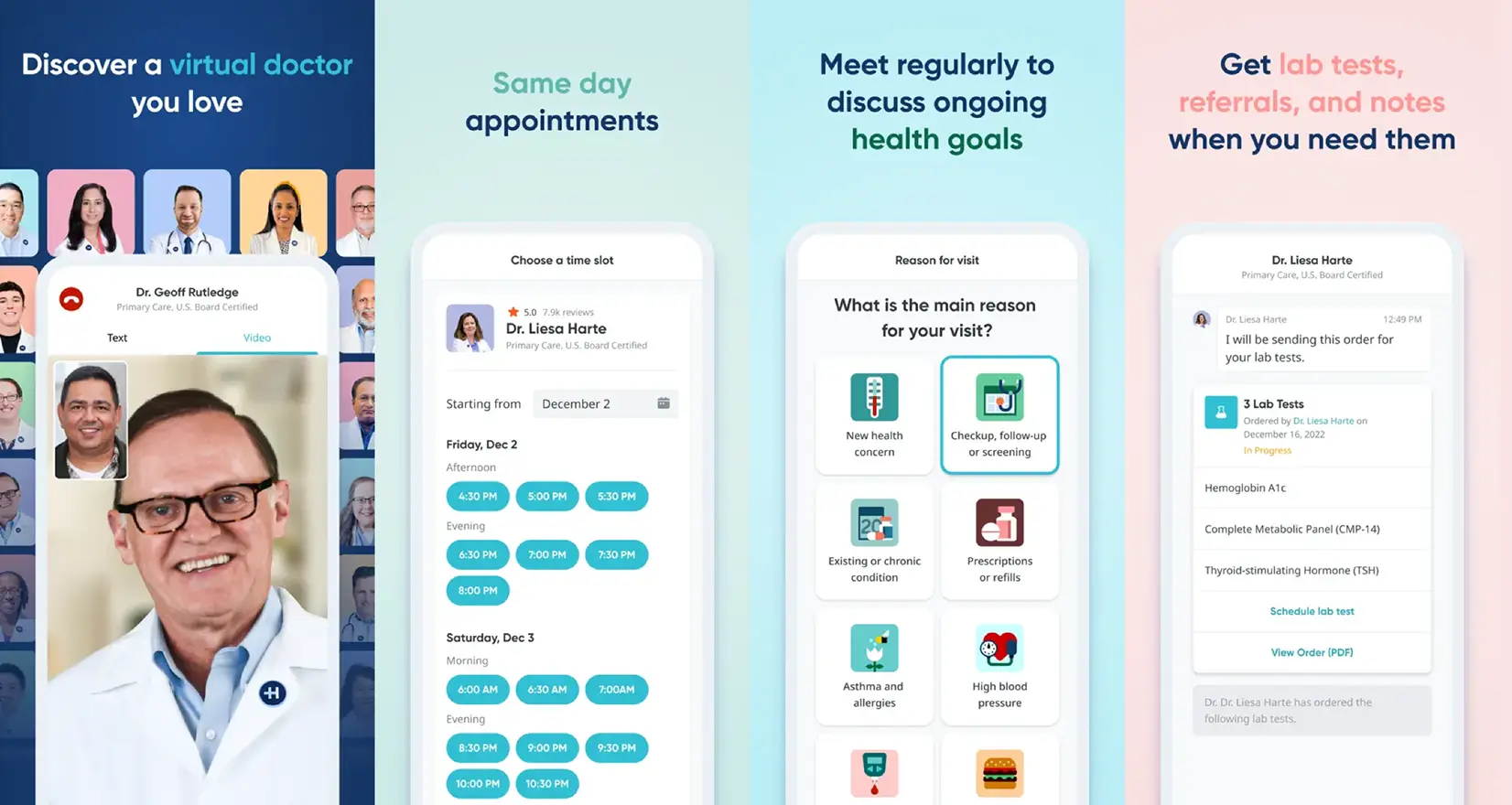
A telehealth-focused company, launched in 2010 in California, HealthTap is a fully online business that was one of the first to gain some traction. It partners with doctors from a variety of regions, expanding its telemedicine network as far as possible. Unlike similar apps, HealthTape charges patients per visit, with multiple tiers available for premium care and 24/7 communication.
| App | Zocdoc | Practo | HealthTap |
|---|---|---|---|
| Year founded | 2008 | 2008 | 2010 |
| Monetization type | Commissions/paid promotions | Commissions/drug delivery/paid listings | Charges per visit |
| Users | 6,000,000+ | 400,000,000+ | 23,000,000+ |
| Primary market | US | India | US |
How to Choose the Right Development Team for Your App
Seeing these examples of successful apps has hopefully inspired you to start your own development, using our guide as a reference. However, we’ve touched upon the issues that appointment apps face and how vital quality features and security can be. Successfully creating a top-notch app to conquer the market is no small thing, and having an expert team is a deciding factor.
So, to make your doctor appointment app perfect, recruit JetBase, a team with over a decade of experience, particularly in the healthcare industry. We pride ourselves on smooth communication, surpassing client expectations, and delivering quality. Get in touch, and let’s get started with a consultation.