

Technical discussions today often have two main aspects: the financial opportunities they offer and the optimization they can provide. In both regards, the Internet of Things (IoT) is a massive topic, as evidenced by McKinsey's estimate of its value to be between $5 and $12 trillion by 2030. The same report notes the vast potential of IoT architecture in manufacturing and healthcare.
With these points in mind, we’d like to offer you an in-depth look at the importance of IoT architecture, break down its layers, and help you choose the right platform. Our article will also provide some insight into how IoT can benefit urbanism, healthcare, and agriculture. In short, this will be a full dissection of IoT as a tool and a primer on how you can benefit from it.
Defining IoT Architecture
The same report we mentioned above also points out that some companies have struggled to capitalize on IoT in their operations. This may be due to a lack of focus on this transformative technology, which can be challenging to understand fully. Let’s start simply and define what the Internet of Things architecture is and what it’s composed of.
So, IoT architecture for beginners: it’s the structure and types of connections between your different IoT devices. This means the devices themselves, the protocols that move and process data, the transport tools, and the applications that control the devices. It’s typically discussed in terms of layers, which we’ll talk about below, and the way they interact.
The Role and Significance of IoT Architecture in Modern Technology
According to the statistics, there are a whopping 18.8 billion IoT devices worldwide, meaning there are at least millions of businesses out there using the architecture of IoT. Regardless of how many each company uses, they still need to structure their ecosystem to optimize them.
The popularity of IoT is hardly surprising, given it’s been around since the previous century and has had plenty of time to grow and evolve. Nowadays, it covers essential use cases like controlling crop growth and improving customer experience in smart service systems, among others. This versatility keeps IoT relevant, and flexible IoT architecture allows for more experimentation when necessary.
For a major example, just take a look at Amazon automating and streamlining its fulfillment centers, some of the busiest warehouses on the planet, using AI and IoT network architecture. This combo allows them to monitor performance efficiently, control the operations remotely, and minimize all downtime in the centers. Sounds pretty good, right? Let’s peer into IoT architecture layers to see how you can do the same.
IoT Architecture Layers Breakdown
While companies can change up IoT architecture to match their needs, the typical setup will involve a few of these standard layers:
- Perception
- Connectivity
- Data processing
- Application/interface
- Business
- Edge and fog computing
- Security
Depending on how you structure your own system, you may end up using all of these or as few as three, but that’s something we’ll cover later. First, let’s talk about each layer separately so you can understand their role in IoT platform architecture.
Perception (Sensing) Layer
Another very descriptive name for this layer is the device layer. That pretty much describes it in full - it’s the assortment of IoT-enabled gadgets and mechanisms that you have and need to connect.
This means the perception layer of your IoT architecture can include things like cameras, sensors, smart gadgets, healthcare machines, etc. This is an essential layer, which means there’s no such thing as an architectural setup without it. After all, these are the IoT elements, you can’t build anything for them if they aren’t included.
Connectivity (Network/Transport) Layer
Connectivity is the second essential layer, providing the tools for data transmission and sharing between your IoT devices and other elements of your ecosystem. It uses transport and encryption protocols to ensure steady, reliable transfers. The transportation can occur through your on-site WiFi or cellular 5G networks or even Bluetooth, if the devices are grouped together.
It’s important to note that your connectivity IoT system architecture can and should involve a variety of transport methods. This way, you can not only set up a flexible system that doesn’t have a singular failure point but also ensure that all manner of devices can fit into the ecosystem easily.
Data Processing Layer
The name is self-explanatory here, as this is the layer of tools that collects and processes data generated by your IoT network. It enables companies to analyze the performance of their ecosystem, easily implement changes, and subsequently generate insights to ensure further growth.
This layer also involves data storage, such as cloud environments, data lakes, and on-premise servers. It’s vital to secure this level of your IoT platform architecture, as it’s where all the sensitive information will reside. Security is obviously important to the entire system, but it “starts” here and expands outward.
Application Layer
This is the user-facing part of the Internet of Things architecture, relating to interfaces that people use to control devices and easily track their actions. These can be developed specifically for your enterprise to ensure internal access to the proverbial control panel. Alternatively, if you’re in the business of selling IoT devices, you can have two separate applications, one for clients, one for admin.
The admin app can be complex, as it serves as the center of the IoT architecture, allowing you to set specific routines for devices to follow and adjust automation rules. It’s the one thing you need to adjust your entire network on the fly. Therefore, it’s the last of the three essential layers for the architecture of IoT.
Business Layer
Complementary to the data processing layer, this layer of IoT architecture is entirely devoted to converting the information gathered into business intelligence. It usually includes dashboards that display visualized analytics and reports compiled from your operations. This is only possible thanks to the processing done at the level above, which builds upon it.
The intertwining of different layers in your architecture of IoT makes things more streamlined and allows for easy control of the data. If you opt to have the business layer, which most companies likely will, make sure it’s connected to the necessary APIs.
Edge and Fog Computing Layer
This layer of IoT architecture is needed when your business scales up, resulting in high latency, which slows down data processing and responses. Devices with edge capability send over data packets for fast and efficient processing. These are delivered to nodes that are close in the system, reducing latency substantially.
Edge-enabled devices in an IoT architecture may also automatically send reports if an anomaly occurs, as well as halt processes that appear to be derailing the system. Plus, IoT devices with edge capability are highly compatible, making it easier to grow your company ecosystem.
Security Layer
This aspect of the architecture of IoT is about keeping your enterprise and data safe, which means utilizing multiple tools to beef up security. For example, you can use both asymmetric and symmetric encryption, with the former reserved for the most sensitive data.
Your security plan should also involve diverse approaches for everything from the devices themselves to the cloud environment and the connection between them. Things like TLS protocol implementation are now standard, for example.
Common IoT Architecture Models: Three-Layer vs Five-Layer Explained
There are two typical IoT architecture approaches most commonly seen in businesses. We’ll take a look at them both and offer some perspective on each so you can pick the one that suits your operations best.
Understanding the Three-Layer IoT Architecture: Structure and Security Challenges
This is perhaps the most straightforward approach to IoT architecture that still works. It’s made up of three core layers, which are:
- Perception
- Connectivity
- Application
That means you’re only using your IoT devices, the protocols that connect them, and the applications that control the devices. It’s a straightforward system, which is its main strength - you can set it up and maintain it with relative ease, spending less time and money on architecture.
However, simplicity also means it lacks valuable analytical power and doesn’t really lend itself that well to scaling. This leaves this model a good initial choice. Yet, it has to be expanded as your business grows and reaches new heights. It also lacks the added layers of security and edge computing, making it less safe to use and liable to slow down operations.
Exploring the Five-Layer IoT Architecture and Its Advantages
The five-layer IoT architecture offers a bit more flexibility, and you can decide for yourself which two layers will expand the more sparse, three-layer one. We typically suggest adding security and data processing, although some companies opt for a business layer instead.
This is typically done when an enterprise is seeking to optimize their operations and hopes that the added insights from the processing and business layers will provide just that. That kind of approach isn’t bad, especially since you can use it to set your course and then focus on security.
In general, when talking about IoT architecture and added layers, you need to do an estimation of cost vs. value for each new layer you want. As a result of this, you’ll typically find that too many layers create diminishing returns. Whereas a five-layer structure offers enough benefits without complicating the architecture too much, leaving it a pretty solid choice.
Practical IoT Architecture Use Cases Across Industries
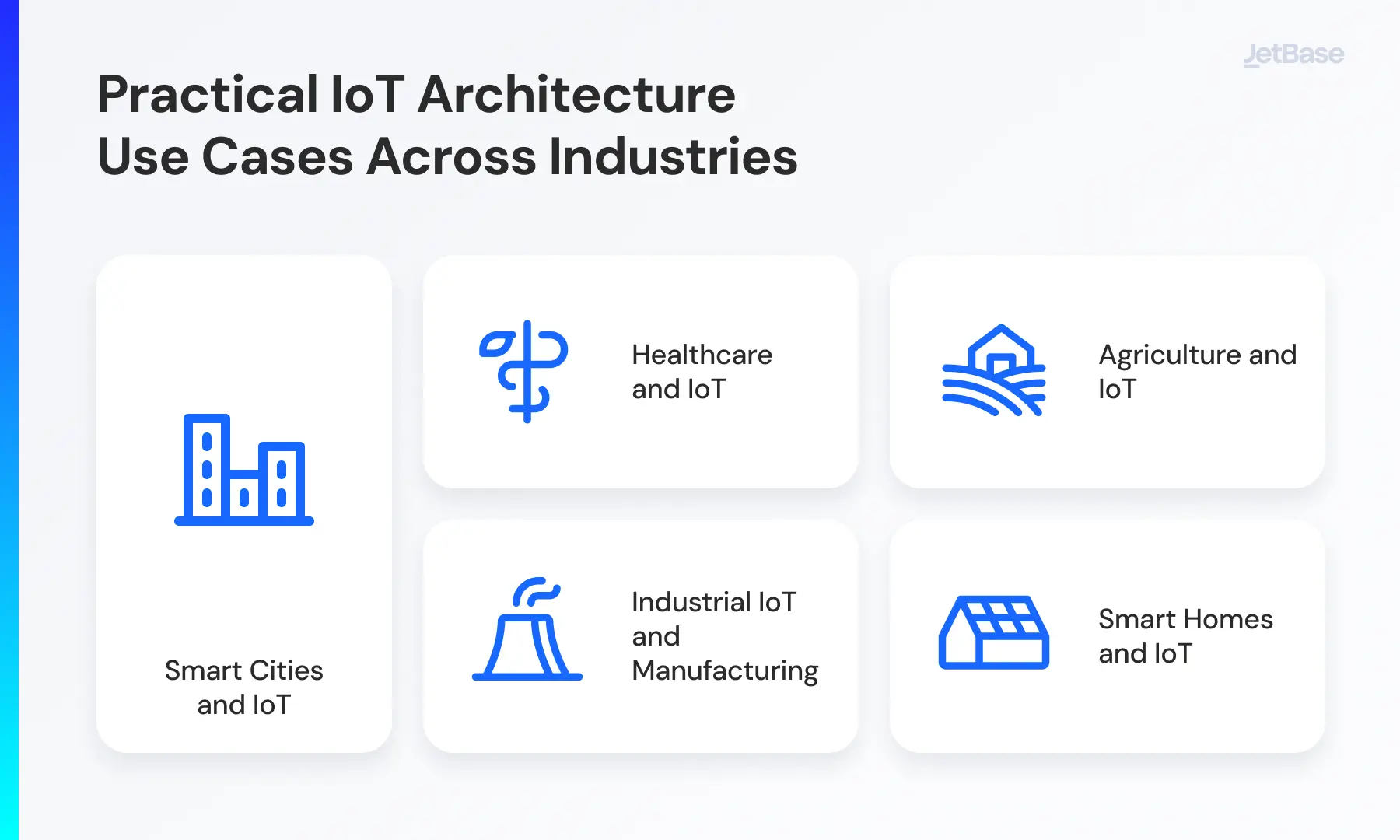
The wide variety of IoT setups and the extensive range of devices available on the market make them applicable in many different cases. This section will focus on how IoT can transform various niches and provide value in return for your efforts.
Smart Cities and IoT
Building IoT architecture at a city-wide scale can be a challenge, but it’s a very rewarding project that benefits all residents. For example, smart traffic lights can be set up to measure data from traffic sensors to change their light more efficiently, eliminating traffic jams. Alternatively, waste management companies can use sensors to determine when pick-ups should happen. As a result, cities as a whole function more optimally and deliver better services.
Healthcare and IoT
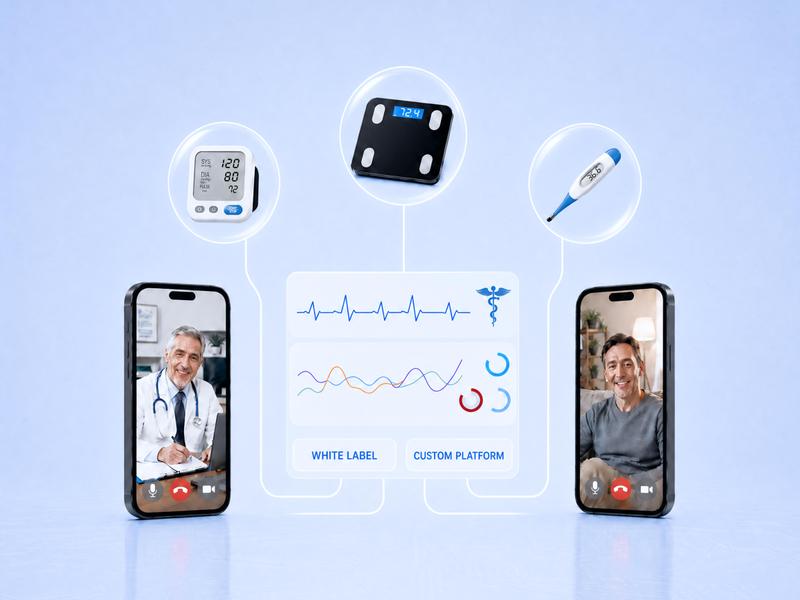
Medical IoT architecture typically involves devices such as wearables to gather patient data and assisted living machines that automatically adjust their performance to the user. The core use cases center around making remote care more accessible and precise, as well as tailoring the services to the patients.
Agriculture and IoT
In the agricultural field, the use of IoT architecture and AI can help assess the state of the soil, address erosion, and surveil crops. As a result, farmers can make sure their harvest won’t fail, detect dangerous microbes, and improve the quality of their crops overall.
Industrial IoT and Manufacturing
Perhaps the most typical space for IoT architecture is in the manufacturing world, as automated assembly lines and ordering systems rely on sensors and smart devices. These things, along with IoT-powered analytics and remote controls, make industrial work more efficient.
Smart Homes and IoT
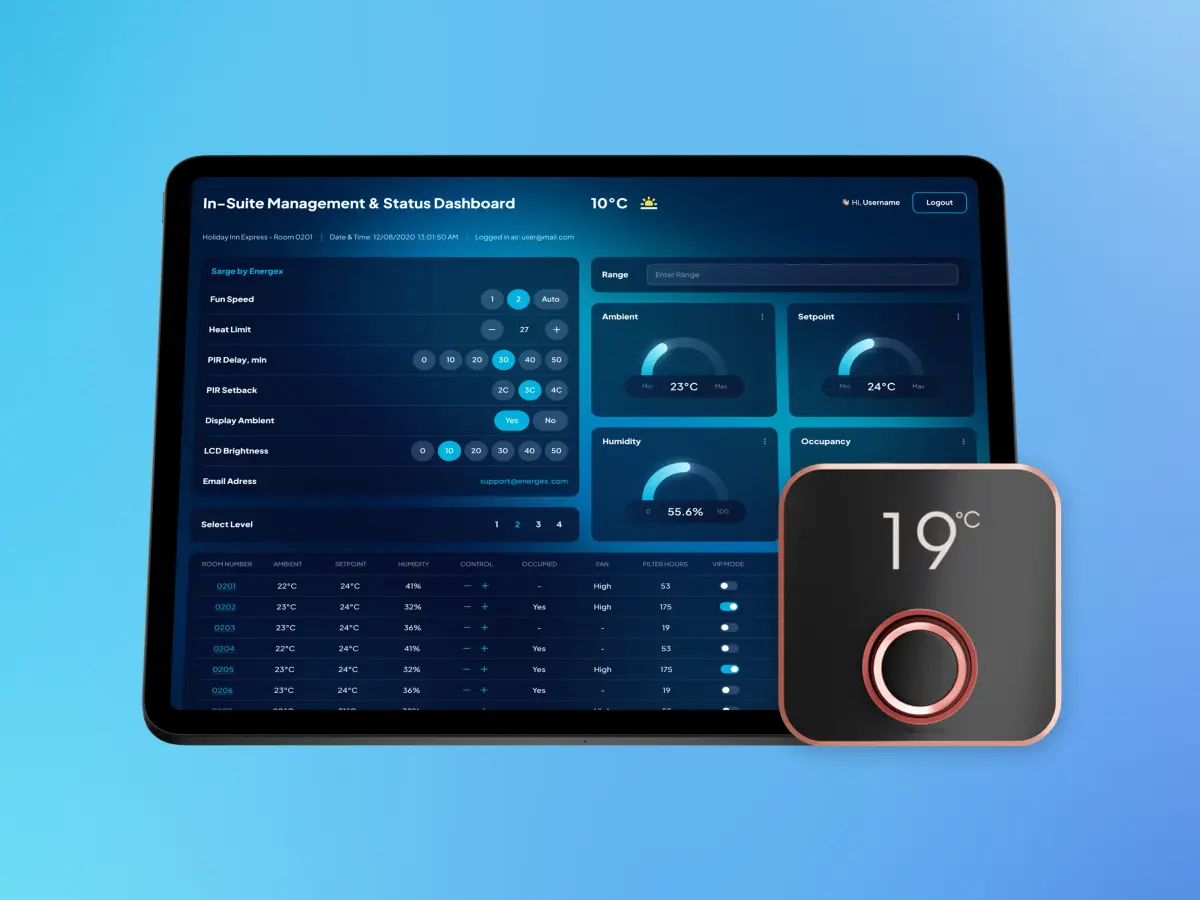
Today’s climate-conscious world encourages IoT architecture in smart homes to be used for energy efficiency, minimizing a household’s environmental impact. In addition to that, IoT devices can enable remote controls for lighting, entertainment systems, and appliances. Plus, voice assistants have now become pretty common.
If your business needs professional guidance on IoT architecture design, our IoT development team can help with architecture planning, platform selection, and implementation.
Selecting the Ideal IoT Platform for Your Needs
Building the perfect IoT architecture is easier when you’re using a reliable, time-tested platform to reinforce your system. Here are some tips on choosing a platform that suits your needs.
Overview of Popular IoT Platforms
The most commonly used platforms for IoT architecture are also the ones most businesses will know from their work with cloud environments. That means the top players are:
- AWS
- Microsoft Azure
- Oracle
These tech juggernauts offer their services like AWS IoT Analytics or Azure IoT Edge, boosted by the considerable resources they have and cutting-edge technologies. However, these aren’t the only options you have, as lesser-known platforms exist, such as Particle and ThingWorx IIoT.
The latter platforms are notable for catering to more specific use cases, with Particle focused on edge computing, which is great for businesses scaling fast. Meanwhile, ThingWorx is providing services for industrial companies specializing in manufacturing IoT devices.
Key Factors to Consider When Choosing a Platform
The main thing that should define your choice is the purpose of your IoT architecture. We already pointed out that ThingWorx is tailored to manufacturing companies, but that’s not all. Depending on the scale of your operations and the industry, you might want to go with a platform that offers substantial scaling capabilities or tools designed for, say, medical hardware.
It’s also crucial to think about security, which major platforms will likely have an advantage in over smaller ones. Similarly, most companies will want some flexibility from their platform of choice. Things like custom widgets can help set up efficient pipelines and match the service to unusual devices, including legacy ones.
The Future of IoT Architecture
Current predictions for new trends in IoT architecture include, of course, the inevitable advent of 6G. Some research suggests that IoT networks will be able to reach any location by 2030, although this may be a somewhat optimistic view. Still, the seamless, low-latency connection that 6G can provide will certainly be a game changer.
Another exciting development that should change the future of IoT is reconfigurable intelligent surfaces (RIS). These act as high-quality transmission antennas, ensuring a stable connection between devices even when they’re moving at high speeds or entering areas with low coverage.
Lastly, the spread of satellite and aerial-integrated network (SAIN) availability means that the architecture may soon undergo significant changes. Using satellites to keep the signal going eliminates the need for a lot of the more complex transportation layer setups, lowering the cost of architecture.
The Impact of Private 5G Networks on IoT Deployment
For the last few years, WiFi has been essential for anyone who sought reliable and secure IoT architecture, as using public 5G basically meant trading data safety for speed. However, recent improvements to URLLC (Ultra Reliable Low Latency Communication) have changed things drastically.
The ability to set up a private 5G network without incurring significant costs or facing overly complex deployment makes it a viable choice for IoT communication. This greatly increases your internet coverage and speeds it up while keeping latency low. For now, it may not yet be fully ubiquitous, but these kinds of advantages are sure to make private 5G standard.
Conclusion
This concludes our guide to IoT structure and how to implement it effectively, as well as some of our observations on its applicability across various industries. With this knowledge, you should be able to find the right approach to integrating this technology into your business. However, we’re always open to providing a little more help for those who want it.
JetBase has now spent over a decade providing custom development and consulting services to companies seeking new heights. Our expert team can design and establish your IoT system architecture, building complex, interwoven connections and unifying data processing. Using your own ecosystem, we will advise you on the optimal way to use IoT in your day-to-day operations.
Ready to implement IoT architecture for your business? Get guidance from our IoT development experts who have deployed solutions across healthcare, logistics, manufacturing, and retail.