

Choosing between in-house software development vs outsourcing is often presented as a simple staffing decision. In reality, it is a business decision that affects delivery speed, scalability, access to expertise, operational risk, and long-term costs.
Many companies approach this choice by comparing salaries with vendor rates. The problem is that development costs are only one part of the equation. Hiring timelines, onboarding, management overhead, technical leadership, team scalability, and time-to-market can have a much greater impact on business outcomes than hourly rates alone.
The wrong development model can lead to delayed product launches, quality issues, growing technical debt, and missed market opportunities. At the same time, there is no universally correct answer. What works for a startup validating an idea may be completely wrong for a SaaS company scaling rapidly or an enterprise modernizing a legacy platform. The best approach depends on factors such as product complexity, growth plans, internal capabilities, compliance requirements, and access to talent.
The decision has also become less binary than it was a decade ago. Remote work, cloud platforms, AI tools, and global talent pools have made it easier for companies to combine internal teams with external expertise. As a result, many organizations now adopt hybrid models that balance control, flexibility, and delivery speed.
In this guide, we'll compare in-house, outsourced, and hybrid development models, explore their costs and trade-offs, and provide a practical framework for choosing the right approach based on your business goals, growth stage, and internal capabilities.
What Is In-House Software Development?
In-house software development is a model where a company builds and manages its own engineering team. Developers, QA engineers, product managers, designers, architects, and technical leaders work as company employees and focus exclusively on the organization's products and business goals.
In practical terms, companies are not simply building software. They are building an internal engineering capability that becomes part of the business itself.
As software becomes increasingly important for growth, customer experience, and competitive differentiation, many organizations invest in internal engineering teams to strengthen product ownership, retain critical knowledge, and maintain direct control over technology decisions.
A typical in-house development team may include software engineers, QA specialists, product managers, UI/UX designers, DevOps engineers, team leads, architects, and engineering leadership. As products become more complex, teams often evolve into specialized groups responsible for specific product areas or business domains.
Over time, internal teams develop deep product knowledge and a strong understanding of business priorities, customer needs, and long-term strategy. For organizations where software is a core competitive advantage, this level of alignment can be highly valuable.
When Does an In-House Team Make Sense?
In-house development is often a strong fit for product-led SaaS companies, technology-first startups, and businesses building proprietary platforms or highly specialized products.
Many organizations begin investing in internal engineering capabilities after reaching product-market fit and establishing predictable long-term development needs. At this stage, software is no longer simply supporting operations; it becomes a critical part of growth, customer experience, and competitive differentiation.
An internal team is particularly valuable when a company wants to:
- Build long-term product knowledge
- Develop proprietary technology
- Protect intellectual property
- Create a strong engineering culture
- Maintain close alignment between business and technical decisions
- Support continuous product evolution
Common Challenges of In-House Development
While in-house teams offer significant benefits, they also require substantial investment and management effort.
A common misconception is that hiring employees automatically leads to better software. In reality, software quality depends on leadership, processes, architecture decisions, communication, and engineering culture. A poorly managed internal team can struggle just as much as an external one.
Companies also frequently underestimate the effort required to build and maintain an engineering organization. Recruiting, onboarding, mentoring, performance management, knowledge sharing, and retention all require time and specialized leadership.
As teams grow, organizational challenges often become more difficult than technical ones. Hiring senior engineers can take months, productivity varies between teams, and employee turnover can create delivery risks if critical knowledge becomes concentrated in a small number of individuals.
For this reason, companies should view in-house development as a long-term strategic investment rather than simply a hiring decision.
A good rule of thumb is simple: consider building an in-house team when software is no longer supporting your business it is becoming your business.
What Is Outsourced Software Development?
Outsourced software development is a model where a company works with an external engineering partner to build, maintain, or scale software products.
Instead of hiring every specialist internally, businesses gain access to teams that already have the required skills, delivery processes, and technical expertise. Depending on the engagement model, the partner may provide developers, QA engineers, DevOps specialists, architects, project managers, and other roles needed to achieve specific business objectives.
Modern software development outsourcing has evolved significantly over the past decade. Companies now use outsourcing not only to reduce hiring pressure but also to access specialized expertise, accelerate delivery, and scale engineering capacity more efficiently.
Companies typically choose outsourcing when they need to accelerate delivery, access specialized expertise, reduce hiring dependency, or scale engineering capacity faster than internal recruitment allows.
Common Outsourcing Models
Companies use several outsourcing models depending on their goals and internal capabilities.
Dedicated Development Team - a long-term external engineering unit focused on a single product or roadmap.
Team Augmentation - adding specific specialists to an existing internal team when additional expertise or capacity is needed.
Project-Based Development - delivering a defined scope such as an MVP, cloud migration, AI integration, mobile application, or modernization initiative.
Each model offers a different balance of flexibility, control, and responsibility.
When Does Outsourcing Make Sense?
Companies choose outsourced software development for many reasons, but the primary driver is often speed rather than cost.
Building an internal engineering team can take months. An experienced development partner can often begin contributing much faster while providing immediate access to specialized expertise.
Outsourcing is commonly used for:
- MVP development
- SaaS product development
- Mobile and web applications
- Cloud migration projects
- AI integrations
- DevOps and infrastructure initiatives
- Legacy system modernization
- Product scaling and feature expansion
The model is particularly valuable when companies need to move quickly, lack internal technical expertise, or want to avoid the overhead of rapidly expanding their internal organization.
Common Challenges of Outsourced Development
The biggest misconception about outsourcing is that it automatically reduces control. In practice, visibility depends on how the partnership is managed. Shared tools, transparent communication, regular reviews, and clearly defined ownership allow companies to maintain strong control over product direction and delivery.
At the same time, outsourcing is not a hands-off solution. Successful engagements still require product ownership, stakeholder involvement, and clear business objectives.
The most common challenges include unclear requirements, weak communication, misaligned expectations, and choosing a partner based solely on hourly rates. In many cases, outsourcing failures are not caused by the model itself but by poor partner selection or ineffective collaboration.
Why Many Companies Choose Outsourcing
One advantage of outsourced software development that companies often overlook is access to accumulated experience. External teams have often worked across multiple products, industries, architectures, and scaling challenges, allowing them to identify risks earlier and recommend proven approaches that accelerate delivery and reduce execution risk.
Outsourcing does not mean giving up control. It means gaining additional expertise and delivery capacity while keeping ownership of the product and business goals.
In-House vs Outsourcing Software Development: Key Differences
The debate around in-house vs outsourcing software development is often framed as a question of cost. In reality, the most important differences involve speed, scalability, ownership, expertise, and the resources required to build and maintain engineering capabilities.
Neither model is universally better. Each solves different business challenges and creates different trade-offs. The right choice depends on what your business is trying to achieve and how quickly you need to get there.
| Factor | In-House Development | Outsourced Development |
|---|---|---|
| Team Setup | Requires recruiting, hiring, and onboarding employees | Team can often start within days or weeks |
| Speed to Start | Typically slower due to hiring timelines | Usually much faster |
| Scalability | Growth depends on hiring capacity | Teams can often scale up or down quickly |
| Product Knowledge | Deep institutional knowledge develops over time | Knowledge is shared but may be distributed across organizations |
| Operational Control | Highest level of direct control | Control depends on processes, communication, and governance |
| Access to Expertise | Limited by hiring market and budget | Immediate access to specialized skills and experience |
| Cost Structure | Higher fixed costs and long-term commitments | More flexible and variable cost model |
| Management Responsibility | Fully managed internally | Shared between the company and the external partner |
| Engineering Culture | Built and maintained internally | Influenced by both organizations |
| Long-Term Ownership | Strong internal ownership and knowledge retention | Requires clear ownership boundaries and documentation |
| Access to Specialized Skills | Depends on hiring availability | Available immediately |
The Trade-Off Most Companies Miss
Many leaders compare salaries with vendor rates and assume the decision is primarily financial. In practice, development models should be evaluated based on business outcomes rather than hourly costs.
An internal team may provide stronger long-term ownership and product knowledge, but it also requires significant investment in hiring, leadership, onboarding, and retention.
An outsourced team can provide faster access to engineering capacity and specialized expertise, but success depends on selecting the right partner and maintaining clear product ownership.
The real comparison in in-house development vs outsourcing is not employee cost versus vendor cost. It is the value each model creates relative to the time, effort, and investment required to achieve business goals.
If you evaluate only one thing, evaluate this: how quickly each model helps your company execute, scale, and achieve its long-term objectives.
Advantages and Challenges of Each Development Model
The discussion around in-house software development vs outsourcing often focuses on cost, but the real differences become visible in day-to-day operations. Each model offers distinct advantages and creates different challenges. The right choice depends on business priorities, growth stage, internal capabilities, and long-term goals.
Advantages of In-House Development
The biggest advantage of an in-house team is ownership. Internal engineers develop deep knowledge of the product, customers, business processes, and long-term company goals. Because they work closely with stakeholders every day, they gain context that helps them make better decisions and identify opportunities beyond their immediate tasks.
As companies grow, this knowledge becomes increasingly valuable. Teams develop stronger product expertise, engineering standards become more consistent, and collaboration between technical and business departments improves.
For organizations where software is a core competitive advantage, an in-house team often becomes a strategic business asset rather than simply a delivery function.
Challenges of In-House Development
The biggest challenge is that building software internally also means building an engineering organization. Companies become responsible for recruiting, onboarding, retention, performance management, technical leadership, and engineering culture. These responsibilities grow significantly as teams expand. Hiring is often slower and more expensive than expected. Senior engineers can be difficult to attract, while employee turnover can lead to knowledge loss and delivery disruptions.
Advantages of Outsourced Development
The greatest advantages of outsourced software development are speed, flexibility, and access to expertise. Instead of spending months hiring and onboarding employees, companies can quickly access experienced developers, architects, QA specialists, and DevOps engineers who already work within established delivery processes.
Outsourcing is particularly valuable when businesses need to launch products quickly, scale engineering capacity, modernize legacy systems, migrate to the cloud, or implement technologies that require specialized expertise.
Challenges of Outsourced Development
One of the biggest challenges of outsourced software development is alignment. Successful outsourcing requires clear communication, strong product ownership, and active stakeholder involvement. Without these elements, misunderstandings and delivery issues can emerge regardless of the technical capabilities of the external team.
Companies also need to choose partners carefully. Selecting a vendor based solely on price often creates quality, scalability, and technical debt problems later. Outsourcing does not eliminate management responsibilities. It changes how those responsibilities are handled.
Which Model Has More Challenges?
Neither model is inherently easier to manage. Both succeed or fail for similar reasons: leadership, communication, ownership, and execution. An internal team without strong leadership can struggle just as much as a poorly managed outsourcing engagement. Likewise, a well-structured outsourcing partnership can outperform an internal team that lacks clear direction and engineering discipline.
The real question is not which model has fewer disadvantages. It is which set of advantages best supports your business goals.
Understanding the True Cost of Each Model
When companies compare in-house software development and outsourced software development, they often focus on the most visible numbers: employee salaries and vendor rates. The problem is that neither number reflects the true cost of software development.
Building software involves much more than writing code. Hiring, onboarding, management, infrastructure, quality assurance, security, maintenance, and delivery speed all affect the final investment. Some of the most expensive factors never appear as separate budget line items at all.
Cost Factors Beyond Salaries and Vendor Rates
| Cost Area | In-House Team | Outsourced Team |
|---|---|---|
| Recruitment | High | Low |
| Onboarding | High | Medium |
| Engineering Leadership | High | Shared |
| Infrastructure & Tooling | High | Shared |
| Team Scalability | Slower | Faster |
| Knowledge Retention | High | Medium |
| Delivery Speed | Depends on hiring | Faster ramp-up |
| Cost of Delay | Often underestimated | Usually lower |
The Hidden Costs of In-House Development
Many companies assume that the cost of an internal team is simply the sum of employee salaries. In reality, salaries are only the starting point.
Building an internal engineering organization also requires investment in recruitment, benefits, equipment, software licenses, training, engineering leadership, HR support, and ongoing team management. New hires typically need weeks or months before they become fully productive, especially when working on complex products.
Employee turnover creates another significant expense. When experienced engineers leave, companies lose product knowledge and technical context while spending additional time and money recruiting and onboarding replacements.
A real-world example of accumulated technical debt comes from a cloud CRM platform in the oil and gas sector. The system had accumulated 15 critical security vulnerabilities over years of rapid development without dedicated architecture oversight. Resolving those issues required significantly more effort than preventing them would have. After the platform was refactored and stabilized, the client's business grew 12x. The cost of technical debt never appeared as a separate budget item, but its impact on growth was substantial.
One of the most underestimated costs is leadership. Successful engineering teams require technical direction, architecture oversight, mentoring, performance management, and process improvement. Without these functions, even talented developers can struggle to deliver consistent results.
The Hidden Costs of Outsourcing
Outsourcing often reduces hiring and operational overhead, but it is not a cost-free shortcut. External teams still require onboarding, knowledge transfer, stakeholder involvement, and clear product direction.
Communication and ownership also affect cost. Delayed feedback, slow decision-making, and unclear responsibilities frequently lead to rework and delivery inefficiencies.
Another common mistake is selecting a partner primarily on price. Lower-cost vendors can become expensive when poor architecture decisions, weak quality assurance, or delivery delays require significant rework later.
The opposite is also true. A US-based cybersecurity startup came to JetBase with wireframes, a clear product vision, and no internal engineering team. Without the overhead of recruiting, onboarding, and managing an in-house organization, the company was able to launch an MVP quickly, validate the concept, grow its client base 20x, and eventually sell the product at a profit.
The key was not avoiding outsourcing risk entirely, but choosing a partner capable of accelerating execution while maintaining quality.
Why Hourly Rates Tell Only Part of the Story
Comparing hourly rates often creates a misleading picture. A lower-cost team that requires more hours, produces lower-quality code, or creates technical debt may ultimately cost more than a higher-priced team that delivers efficiently and makes better architectural decisions.
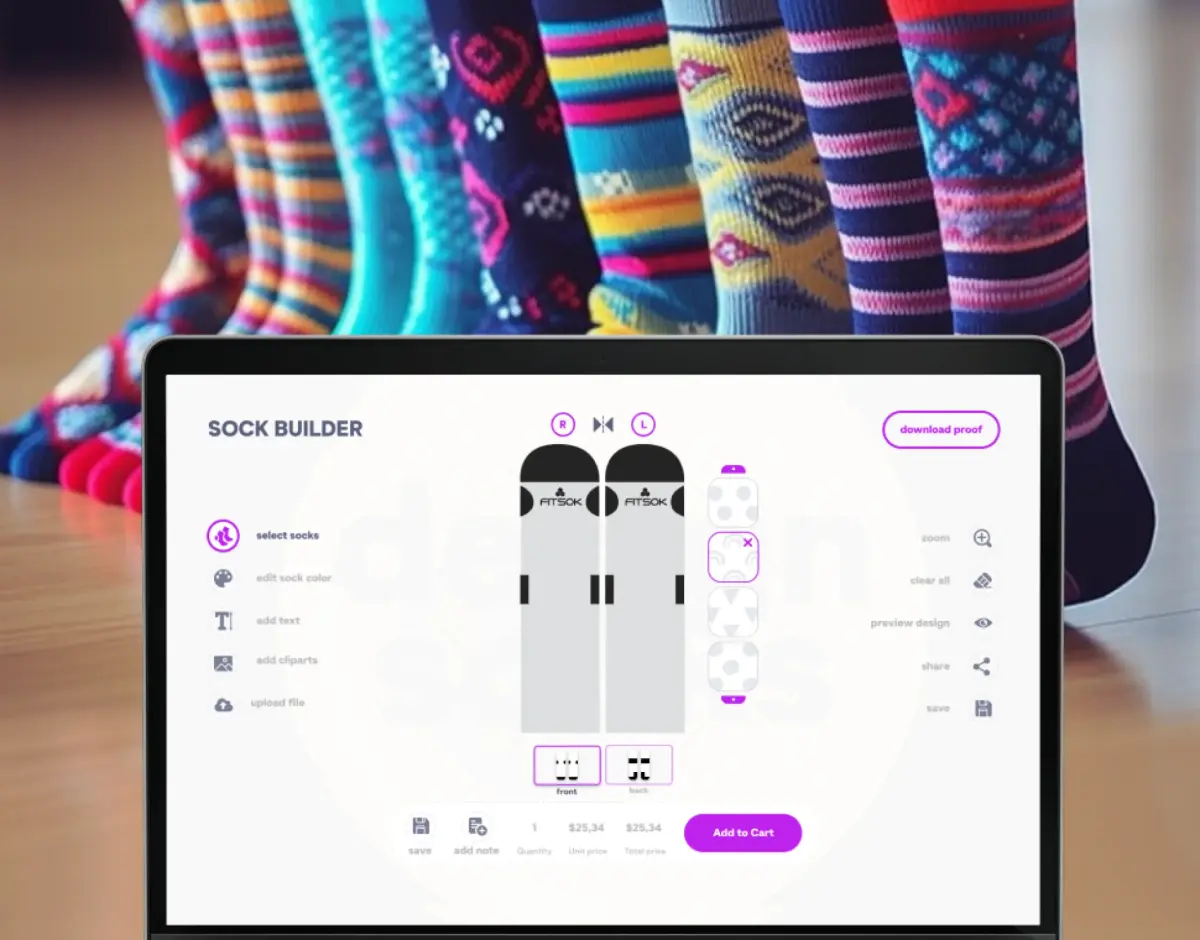
Speed of delivery creates business value that rarely appears in hourly rate comparisons. For example, a custom Shopify product builder delivered by JetBase in one month helped increase client sales by 35%. In another case, a video interview platform reached Product of the Day on Product Hunt within three months of project kickoff.
In both situations, the most important metric was not development cost per hour, but the business impact of reaching the market faster.
The same principle applies to internal hiring. A vacant engineering position may appear to save money, but months of delayed development can create a much larger business cost through missed opportunities and slower growth.
The question should not be:
“Which option is cheaper per hour?”
It should be:
“Which option creates the best outcome with the lowest overall risk?”
Cost of Delay Is a Real Cost
One factor companies frequently overlook is time-to-market. If a product launches six months earlier, the business can start generating revenue, validating assumptions, acquiring customers, and collecting feedback sooner. In many cases, the value of entering the market earlier outweighs any difference in development costs.
Delay may not appear in a financial report, but it still has a direct impact on business results.
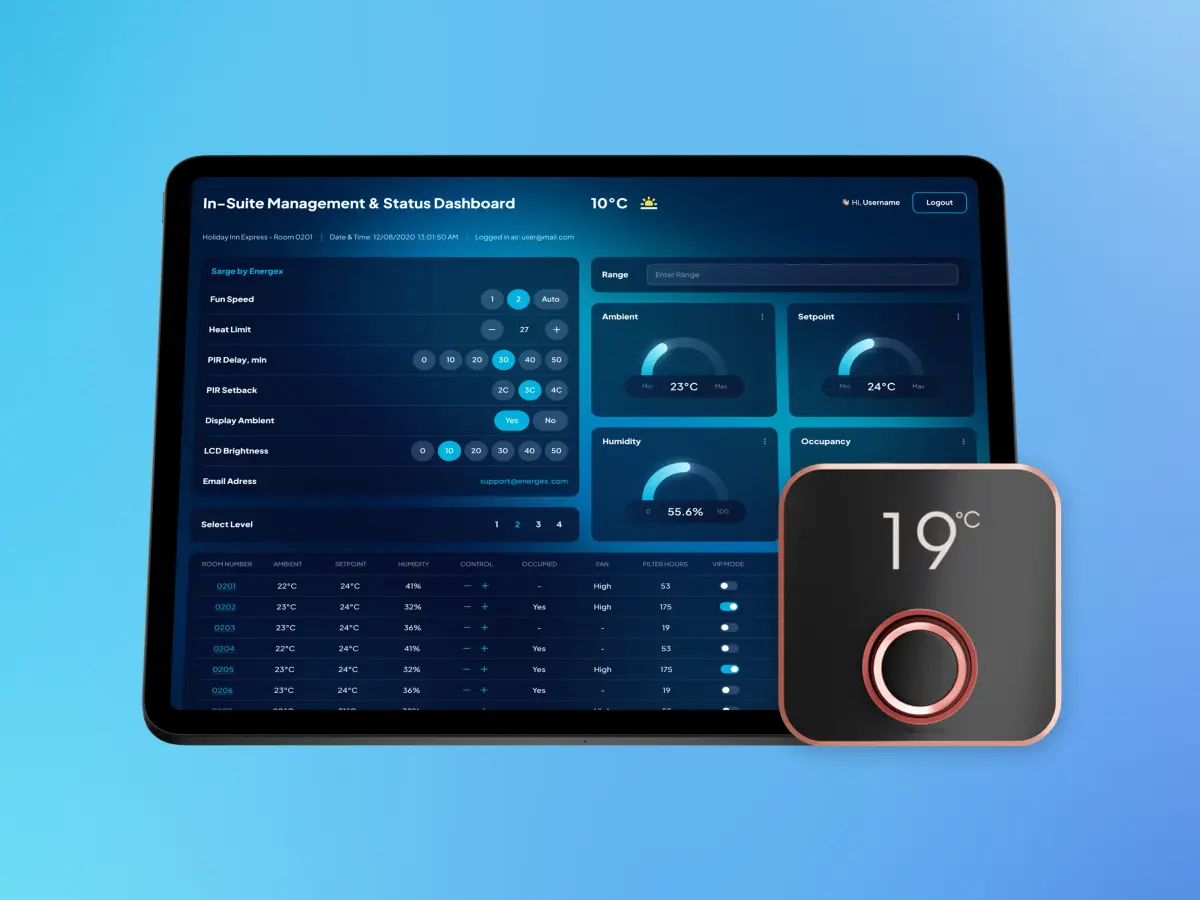
Hidden costs are not always related to people or delivery speed. An AI-powered energy management platform for hotels was spending significantly more on AWS infrastructure than necessary. After JetBase optimized the architecture, the client reduced cloud costs by approximately $15,000 per month - or $180,000 annually.
Those costs had been quietly accumulating in the background, invisible in any comparison of salaries, vendor rates, or team size.
How to Evaluate the Real Cost
Instead of focusing only on salaries or vendor rates, decision-makers should evaluate the full cost of ownership over time.
That includes:
- Development costs
- Hiring and recruitment expenses
- Onboarding and training
- Engineering leadership
- Infrastructure and tooling
- Maintenance and support
- Technical debt risk
- Cost of delays
- Future scalability
- Expected business value and ROI
Scale is often the clearest proof of long-term ROI. One mobile application built and maintained by JetBase now serves more than 20 million active users while maintaining 99.99% uptime. That outcome was not driven by the lowest hourly rate. It was the result of strong architectural decisions, the right engineering expertise, and a development model aligned with the product's stage of growth.
Ultimately, software development should be evaluated as an investment rather than an expense. The most cost-effective model is not necessarily the one with the lowest upfront cost. It is the one that delivers the greatest business value with the lowest execution risk over time.
Evaluate your goals, engineering capacity, and growth plans to determine whether an in-house, outsourced, or hybrid approach makes the most sense for your organization.
There is no universal answer to the in-house development vs outsourcing debate because companies solve different business problems.
One reason companies struggle with this decision is that the best development model often changes as a product evolves. What works during MVP development may become limiting during rapid growth, while building a large internal team too early can create unnecessary overhead before product-market fit is established.
The most successful organizations treat development models as business tools rather than permanent choices. A startup launching its first product faces very different challenges than a SaaS company scaling rapidly or an enterprise modernizing a legacy platform. The right development model depends on business priorities, growth stage, internal capabilities, and the role software plays within the organization.
The most important question is not, "Which model is better?" but rather, “Which model helps us achieve our current business goals most effectively?”
When In-House Development Makes the Most Sense
In-house software development is often the best choice when software is a core competitive advantage and long-term ownership is strategically important.
This model works particularly well for:
- Product-led SaaS companies
- Technology-first businesses
- Companies building proprietary platforms
- Organizations with highly specialized business logic
- Businesses investing heavily in long-term product innovation
Internal teams are especially valuable when product knowledge, intellectual property, and engineering expertise need to remain inside the organization. They also help companies build long-term engineering capabilities that support continuous product growth and innovation.
For example, a mature SaaS platform that continuously evolves based on customer feedback may benefit significantly from a dedicated internal team that understands the product at a deep level and can contribute to long-term innovation.
When Outsourcing Is the Better Choice
Outsourced software development is often the stronger option when speed, flexibility, or specialized expertise matter more than immediate internal ownership.
This approach is particularly effective for:
- Early-stage startups
- Companies launching new products
- Organizations with limited engineering capacity
- Businesses undergoing digital transformation
- Projects requiring specialized technical expertise
Outsourcing is commonly used for MVP development, cloud migration, AI implementation, legacy modernization, DevOps initiatives, and rapid product scaling.
For example, a startup that needs to validate a product idea within six months will often benefit more from an experienced external team than from spending several months building an internal engineering organization before development even begins.
When a Hybrid Model Delivers the Best Results
For many modern software companies, the answer is neither fully in-house nor fully outsourced. A hybrid model combines internal product ownership with external engineering expertise. For many growing software companies, this is not a temporary solution but a long-term operating model that provides the flexibility to scale engineering capacity without sacrificing strategic control.
Typically, strategic responsibilities remain inside the company:
- Product vision
- Roadmap ownership
- Business strategy
- Customer relationships
- Executive decision-making
At the same time, external teams help with:
- Software development
- QA and testing
- DevOps and cloud engineering
- AI implementation
- Infrastructure management
- Legacy modernization
- Specialized technical initiatives
This approach allows companies to maintain control over business-critical decisions while gaining the flexibility to scale engineering capacity when needed.
It is particularly common among growing SaaS companies that need to increase delivery speed faster than their hiring process allows.
Choosing the Right Model for Your Stage of Growth
Different stages of growth often favor different approaches.
| Business Stage | Typical Priority | Recommended Model |
|---|---|---|
| Early-Stage Startup | Validate ideas and launch quickly | Outsourcing or Hybrid |
| Growth-Stage SaaS | Scale delivery capacity | Hybrid |
| Mature Product Company | Long-term ownership and innovation | In-House or Hybrid |
| Enterprise Modernization | Specialized expertise and risk reduction | Outsourcing or Hybrid |
The most successful companies rarely choose a model based on industry trends or assumptions. They evaluate their goals, internal capabilities, growth plans, and delivery requirements before deciding how software development should be structured.
If software is your long-term competitive advantage, build strong internal ownership. If speed and expertise are your immediate priorities, outsource. If you need both, a hybrid model is often the most practical choice.
In-House vs Outsourcing vs Hybrid: Decision Matrix
After comparing the advantages, challenges, costs, and use cases of in-house vs outsourcing software development, many business leaders still ask the same question:
"Which model is right for us?"
The answer depends less on industry trends and more on your business goals, growth stage, and internal capabilities. Instead of starting with team structure, start by evaluating what your business needs to achieve over the next few years.
Step 1: Determine the Strategic Importance of Software
The first question is simple:
“Is software becoming a core competitive advantage for your business?”
If your product, customer experience, revenue growth, or market differentiation depends heavily on technology, building stronger internal engineering capabilities may be a strategic investment.
If software primarily supports business operations, flexibility and speed may be more important than long-term ownership. This single factor often shapes every other decision, including hiring strategy, team structure, ownership, and long-term investment priorities.
Step 2: Evaluate Your Need for Speed
“How quickly do you need to deliver?”
If launching a product, entering a market, or implementing new capabilities is time-sensitive, outsourcing can provide access to experienced teams far faster than building an internal organization from scratch.
If development needs are predictable and long-term, investing in internal capabilities may make more sense. Remember that delays have a cost, even when they don't appear in the project budget.
Step 3: Assess Your Internal Capabilities
Many companies evaluate development models without evaluating their ability to support them. Ask yourself:
- Do we have strong technical leadership?
- Can we attract and retain engineering talent?
- Do we have mature product management processes?
- Can we support long-term team growth?
Building an internal team requires much more than hiring developers. It requires the ability to build and manage an engineering organization.
Step 4: Identify Expertise Gaps
Consider whether your current team has the expertise required for upcoming initiatives. Projects involving cloud migration, AI implementation, cybersecurity, DevOps transformation, compliance requirements, or legacy modernization often require highly specialized skills.
If those capabilities are missing internally, outsourcing or a hybrid model can help close the gap without delaying delivery. Specialized expertise is often needed temporarily, making outsourcing or hybrid teams a more practical option than building permanent internal capabilities.
Step 5: Consider Future Scalability
Think beyond your immediate needs.
- Will your engineering capacity need to double within the next year?
- Will development demand fluctuate significantly?
- Will you need specialized expertise for temporary initiatives?
The more uncertainty exists, the more valuable flexibility becomes. This is one reason many growing companies adopt hybrid models as they scale.
Quick Decision Framework
Use the following as a starting point:
| If your priority is... | Consider... |
|---|---|
| Long-term ownership and product expertise | In-House |
| Fast delivery and access to expertise | Outsourcing |
| Balancing control and flexibility | Hybrid |
| Building proprietary technology | In-House |
| Launching an MVP quickly | Outsourcing |
| Scaling engineering capacity rapidly | Hybrid |
| Modernization or specialized initiatives | Outsourcing or Hybrid |
Final Recommendation
There is no universally correct development model. The best choice depends on your business goals, growth stage, internal capabilities, and delivery requirements.
Companies that make the strongest decisions focus on business outcomes rather than assumptions. They evaluate where they are today, where they want to be in the next few years, and what capabilities are required to get there.
A simple rule can help guide the decision:
Choose in-house for ownership, outsourcing for speed, and hybrid when you need both.
Practical Case Study: Scaling a SaaS Product from MVP to Growth

In this case, outsourced software development allowed the company to validate its idea without the delays associated with building an internal engineering organization.
The Challenge
A cybersecurity startup approached JetBase with wireframes, a validated problem, and a clear product vision. The company needed to launch quickly but did not have an internal engineering team capable of building and delivering the product within the required timeframe.
Building an in-house team would have required months of recruiting, onboarding, and process development before product development could begin.
The challenge was simple: validate the product before time and budget constraints became a risk.
The Decision
Rather than investing heavily in internal hiring, the company chose to partner with an external development team. This approach allowed the founders to focus on product strategy, customer discovery, and business development while experienced engineers handled implementation and delivery.
Implementation
JetBase provided the engineering expertise required to design, build, and launch the platform. The product was developed through an iterative MVP approach, allowing the company to validate assumptions, gather customer feedback, and refine the product without the delays typically associated with building an internal engineering organization. As the business grew, engineering processes, product priorities, and delivery workflows evolved alongside the platform.
Results
The company successfully launched its MVP, validated market demand, and established a foundation for long-term growth.
Over time:
| Metric | Result |
|---|---|
| Time to Market | Accelerated |
| Product Validation | Achieved |
| Client Growth | ↑ 20x |
| Business Outcome | Product sold at a profit |
Most importantly, the company was able to focus on growth rather than engineering recruitment during the critical early stages of the business.
Key Takeaway
The best development model often changes as a product evolves. For this company, outsourcing provided the fastest path to product validation and early growth. As products mature, many organizations gradually increase internal ownership while continuing to leverage external expertise where it creates the greatest value.
Rather than treating development models as permanent choices, successful companies adapt them to support changing business goals, product maturity, and growth stages.
Common Mistakes When Choosing a Development Model
Choosing between in-house, outsourced, and hybrid development is rarely just a staffing decision. It is a business decision that affects delivery speed, scalability, costs, and long-term product ownership.
Many companies struggle not because they choose the wrong model, but because they evaluate the decision using the wrong criteria. As a result, they often create avoidable delivery, hiring, and scalability challenges later.
Choosing Based on Cost Alone
One of the biggest mistakes is treating software development as a cost comparison exercise. Lower salaries or vendor rates do not automatically result in lower total costs. Hiring delays, management overhead, technical debt, missed market opportunities, and slower delivery can have a much greater impact on business outcomes than hourly rates alone.
Building an In-House Team Before Product-Market Fit
Many early-stage companies invest heavily in building internal engineering teams before validating market demand. In these situations, flexibility is often more valuable than ownership. Outsourcing or hybrid teams can help companies launch faster, test assumptions, and reduce hiring risks while the product is still evolving.
Treating Outsourcing as a Hands-Off Solution
Successful outsourcing does not eliminate the need for product ownership and stakeholder involvement. Without clear goals, regular communication, and defined responsibilities, even highly capable external teams can struggle to deliver the expected results.
Scaling Without Technical Leadership
Adding more developers does not automatically increase delivery speed. As teams grow, engineering leadership, architecture governance, and delivery processes become increasingly important. Without them, organizations often experience communication issues, inconsistent quality, and growing technical debt.
Ignoring Long-Term Ownership
Short-term delivery goals should not come at the expense of long-term sustainability. Companies should consider where product knowledge, architectural decisions, and technical expertise will reside over time. The most successful organizations intentionally balance short-term execution needs with long-term ownership requirements.
Underestimating the Cost of Delay
Many companies focus on development costs while overlooking the cost of waiting. Delaying product launches, modernization initiatives, or critical features can create lost revenue opportunities, slower growth, and increased competitive pressure. In many cases, the cost of delay exceeds the difference between development models.There is no perfect development model. In-house, outsourced, and hybrid teams can all be successful when aligned with business goals, internal capabilities, and growth plans. The biggest risk is not choosing the wrong model. It is choosing a model for the wrong reasons.
There is no perfect development model. In-house, outsourced, and hybrid teams can all be successful when aligned with business goals, internal capabilities, and growth plans. The biggest risk is not choosing the wrong model. It is choosing a model for the wrong reasons.
Not Sure Which Development Model Fits Your Growth Plans?
Choosing between in-house development, outsourcing, and hybrid teams is rarely a technical decision. It's a business decision that affects delivery speed, access to expertise, scalability, operational risk, and long-term product ownership.
At JetBase, we help companies evaluate their current capabilities, identify growth bottlenecks, and choose development models that align with their business goals. Whether that means strengthening an internal team, extending capacity through external specialists, or building a hybrid delivery model, our custom software development services help companies scale effectively while maintaining quality and control.
The best development model starts with a clear understanding of your business priorities, technical requirements, and long-term roadmap.
From dedicated teams to hybrid delivery models, we help companies scale software development while maintaining product quality, visibility, and control.