
With yearly health expenditures of $5 trillion in the US alone, healthcare is a massive industry in financial terms. Yet, it’s also essential to remember its role. This creates a twofold push to constantly improve and make healthcare more accessible and engaging. A great way to achieve this is through gamification in healthcare, making vital medical services more accessible and simple.
Today’s article offers a deep dive into the world of health gamification, helping you discover the best ways to apply it to your own healthcare solutions. We’ll illustrate our points with real-world examples and offer some use cases that you can use as inspiration. Let’s go ahead.
What is Gamification in the Healthcare Sector?
Healthcare gamification is the process of making regular medical practices more engaging and attractive, incorporating elements commonly found in games. This encourages patients to interact with medical apps and services more, adding an element of play.
You can reach this goal with a variety of digital tools and features, which have become more and more ubiquitous in recent years. Seventy-two percent of healthcare executives currently say that investing in platforms that enable such tools is important.
Key Gaming Mechanics in Healthcare
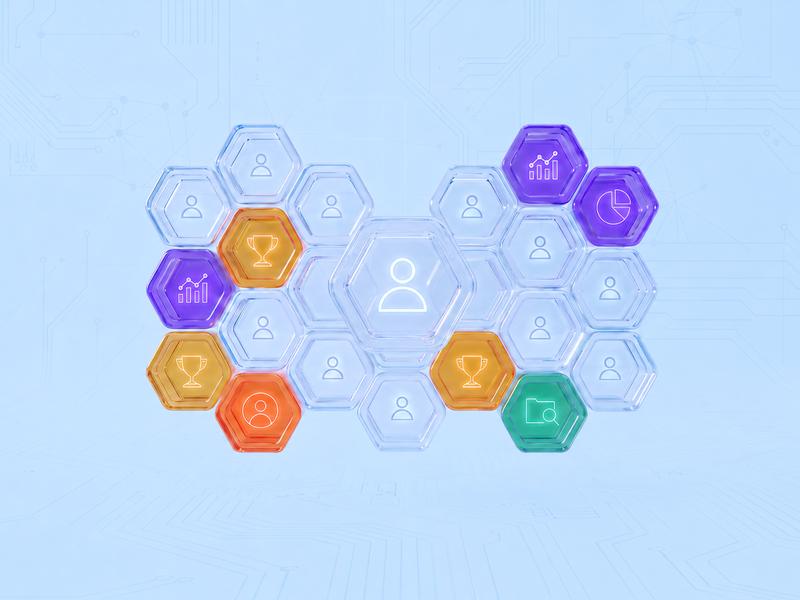
Since health gamification borrows heavily from actual games, we can compile a pretty reliable general list of mechanics and features that help gamify medicine. The most common ones are:
- Leaderboards
- Point accumulation
- Badges/achievements
- Levels
You can see that they share a common theme—growth and challenging others, which are intended to encourage patients to strive for more. That’s what gamification in healthcare hinges on: creating an element of competition and improvement.
Most companies will try to put their own spin on things, offering rewards that can be traded for a certain number of points or customization options that unlock as a user levels up. Still, at its core, these are straightforward mechanics that many games feature and can be easily implemented for the sake of gamification in healthcare.
How Gaming Dynamics Enhance Healthcare Applications
The way all these mechanics come together for healthcare gamification is rooted entirely in human psychology. For example, having a leaderboard that ranks people by the number of minutes they've done yoga on an app motivates users to push to reach new heights, outdoing others.
Similarly, while recovering from an illness can often feel arduous and slow, adding healthcare gamification elements, such as achievements and levels, creates the necessary feeling. Logging medication intake for a week may not look significant, but a related achievement makes it seem big. Therefore, you’re giving the user a reason to keep using the app and stick to their healthcare routine.
5 Key Use Cases of Gamification in Healthcare
You understand the mechanics and why they work. Now, let’s discuss how to apply them most effectively, ensuring that gamification in healthcare is worthwhile.
Mobile Apps and Wearables: Bringing Game Mechanics to Healthcare
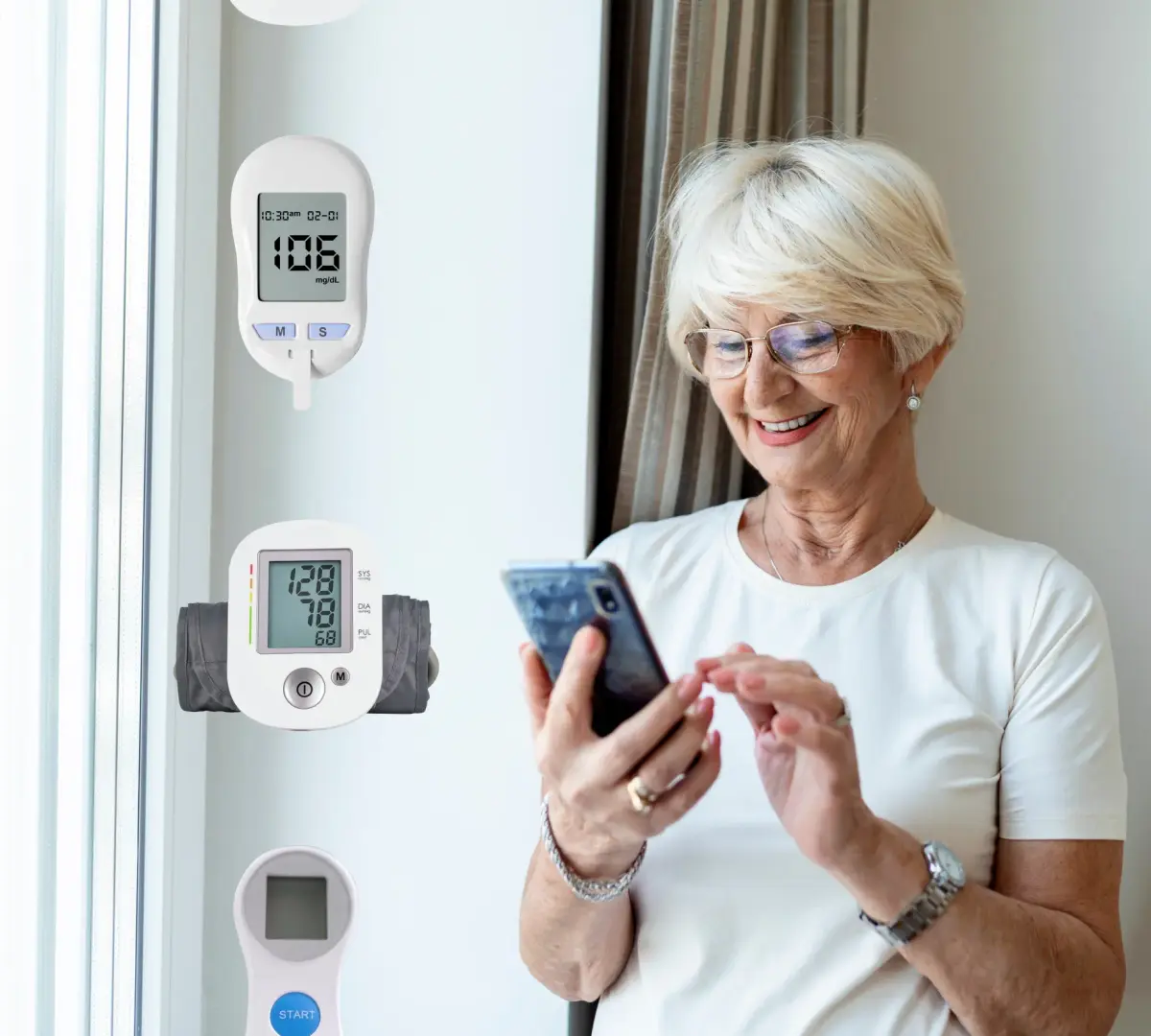
A prime niche for health gamification is in combining wearable health trackers with apps that offer gamified features. For example, step trackers can encourage people to walk more with local leaderboards or promote exercise with point rewards for each hour of activity.
Integrating Virtual Reality (VR) and Augmented Reality (AR)
Simulated environments can put patients in the right headspace to engage in health practices, such as yoga or meditation. Additionally, it can be used for remote doctor consultations, simulating their offices. This is a modern twist on gamification in healthcare, utilizing VR and AR to keep patients focused and satisfied.
Social Connectivity as a Motivational Tool
It’s easier to stick to routines when they’re a shared activity, so adding the ability to find friends and share one’s successes on social media can be a powerful motivator. Social elements are essential to healthcare gamification as they provide a sense of community that patients can feel a part of.
Telecommunication and Electronic Data Integration
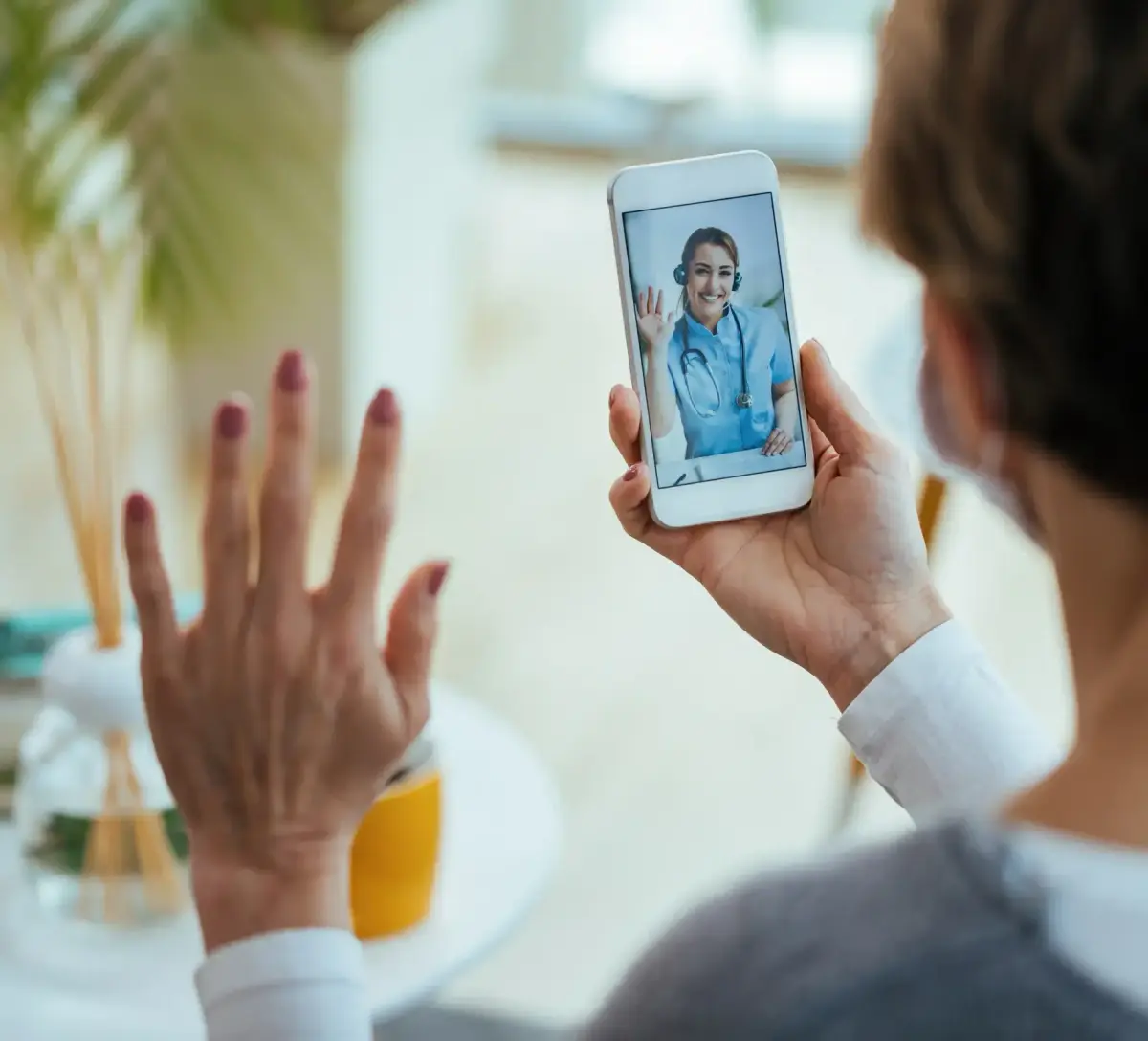
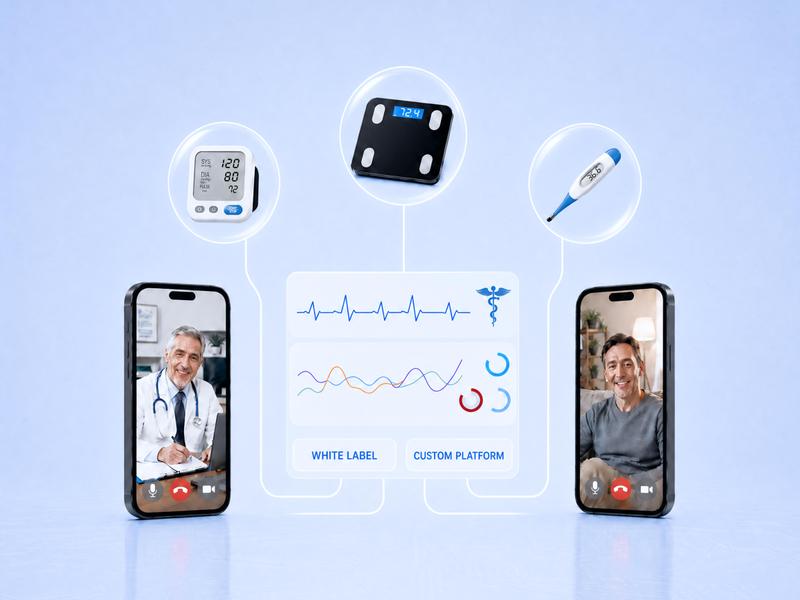
Telehealth is common nowadays. Gamifying this part of healthcare can help spread it further, enabling group classes for yoga or private consultations with doctors. Integrating patient records with an on-screen display of relevant information can also improve service quality. Though this may be less exciting than “reward” features, it’s still an important aspect of gamification in healthcare.
Simulation Games for Health and Wellness Training
Simulating medical situations helps patients react appropriately in the event of an emergency. However, even beyond these serious applications, simulations ease putting users in the right mindset for wellness practices. This element of gamification in healthcare adds a new dimension to typical procedures, allowing patients to get familiar with them at their own pace.
Overcoming Data Privacy and Security Challenges in Healthcare Gamification
Perhaps one of the biggest roadblocks to gamification in healthcare is the emergence of concerns about user data privacy. As with anything related to medicine, gamified apps are subject to regulations such as HIPAA. This puts a responsibility on the developers to offer multi-level security features, such as encryption and authentication methods.
It’s also important to address any concerns users may have, offering full explanations of how their data is stored and processed. Make sure any contentious features can be opted out of so that people don’t feel pressured into sharing their data.
The Advantages of Implementing Gamification in Healthcare
Looking at the variety of ways to add gamification in healthcare and the work that has to be done, you may wonder what exactly you get in return. This section will show off all the strengths that gamification leans on.
Improving Click-Through Rates (CTR)
The whole point of healthcare gamification is to raise engagement, which is going to push users to interact with the app more and click through at higher rates than before. A user seeing that the app has some emergent functionality will be more interested than one looking at a plain application.
Enhancing Patient Retention through Gamification
Patients will be less likely to move on to a different product if yours already has their account with all the achievements, points, and leaderboard placements. It creates a feeling of having invested more than just time, encouraging people to stay with the app.
Reducing Operational Costs with Game-like Features
A major pro of gamification in healthcare is the ability to make patients essentially service their own needs, as you need less oversight to ensure they’re doing their workouts and taking meds. Creating incentives to stick to the wellness routines eliminates these extra expenses.
It can also help cut onboarding expenses substantially by teaching patients through real-time game elements rather than requiring one-on-one consultations with doctors. Plus, with the product being more engaging, users are more likely to spread it via social media, cutting marketing costs.
Notable Examples of Gamification in Healthcare
Here are some successful cases of gamification in healthcare that you can consider a jumping-off point for your own ideas.
"Manage My Pain": Empowering Chronic Pain Patients

A prime example of how gamified apps can turn things around, Manage My Pain, has been studied and proven to reduce anxiety and acute pain perception in patients. This is a massive improvement in the quality of life for those who have to deal with pain daily.
It achieves this through simply “talking” to the patient and encouraging them to break down their experience. As a result, they can see that they’re doing fine and managing their pain, giving them the necessary inspiration to keep fighting their condition.
"CareClinic": Holistic Health Management through Gamification
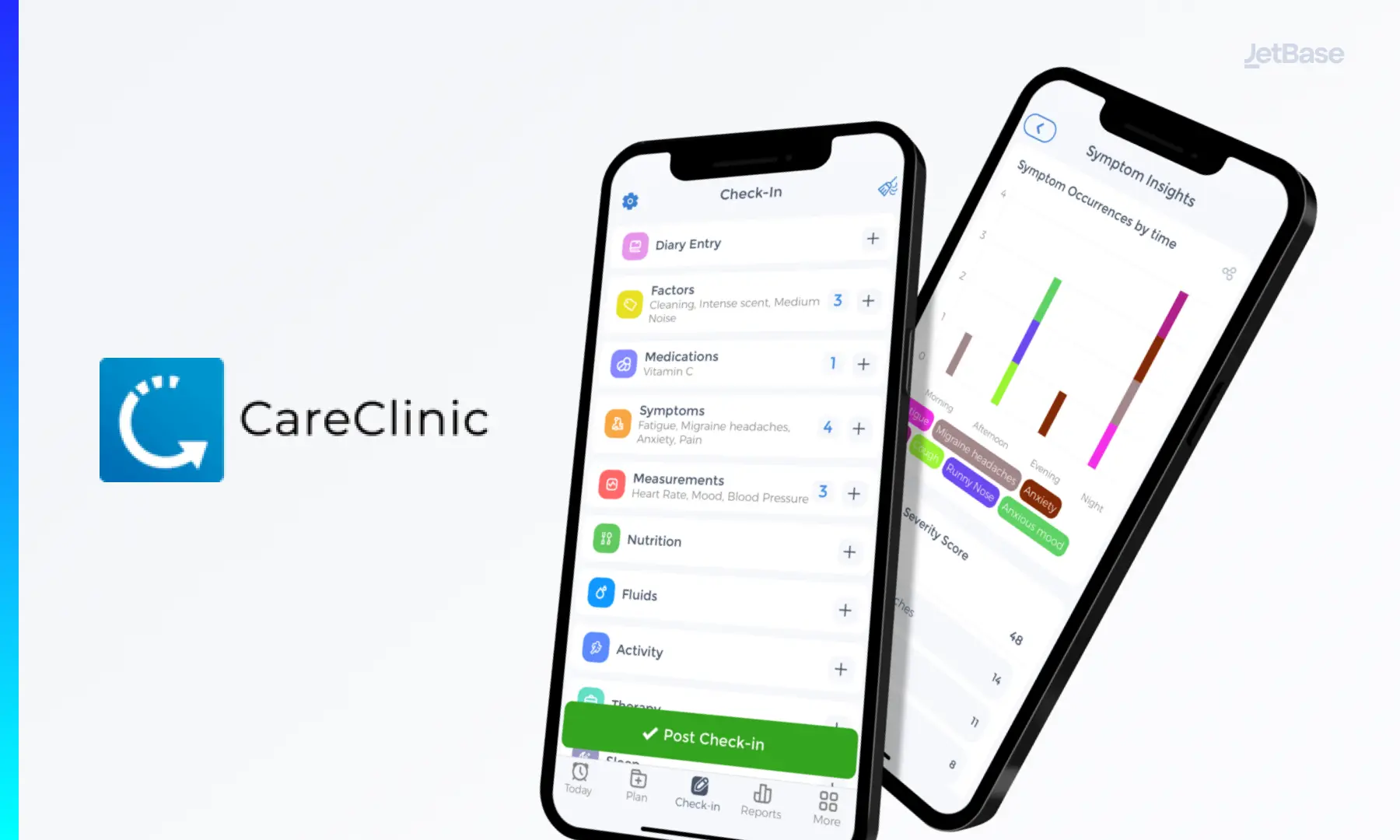
Another example of gamification in healthcare for those with chronic and long-term issues, CareClinic, is a full suite of medical care in one’s pocket. Its AI-powered reports and the availability of direct communication to a patient’s care team make any illness feel less isolating.
Additionally, the app prompts users to set goals, gamifying their recovery and reminding them when it’s time to take medication, exercise, or simply log their experience. As a result, the patient becomes almost entirely self-managed, sticking to their healthcare routine.
"MyFitnessPal": Fitness Tracking with a Game-Like Experience
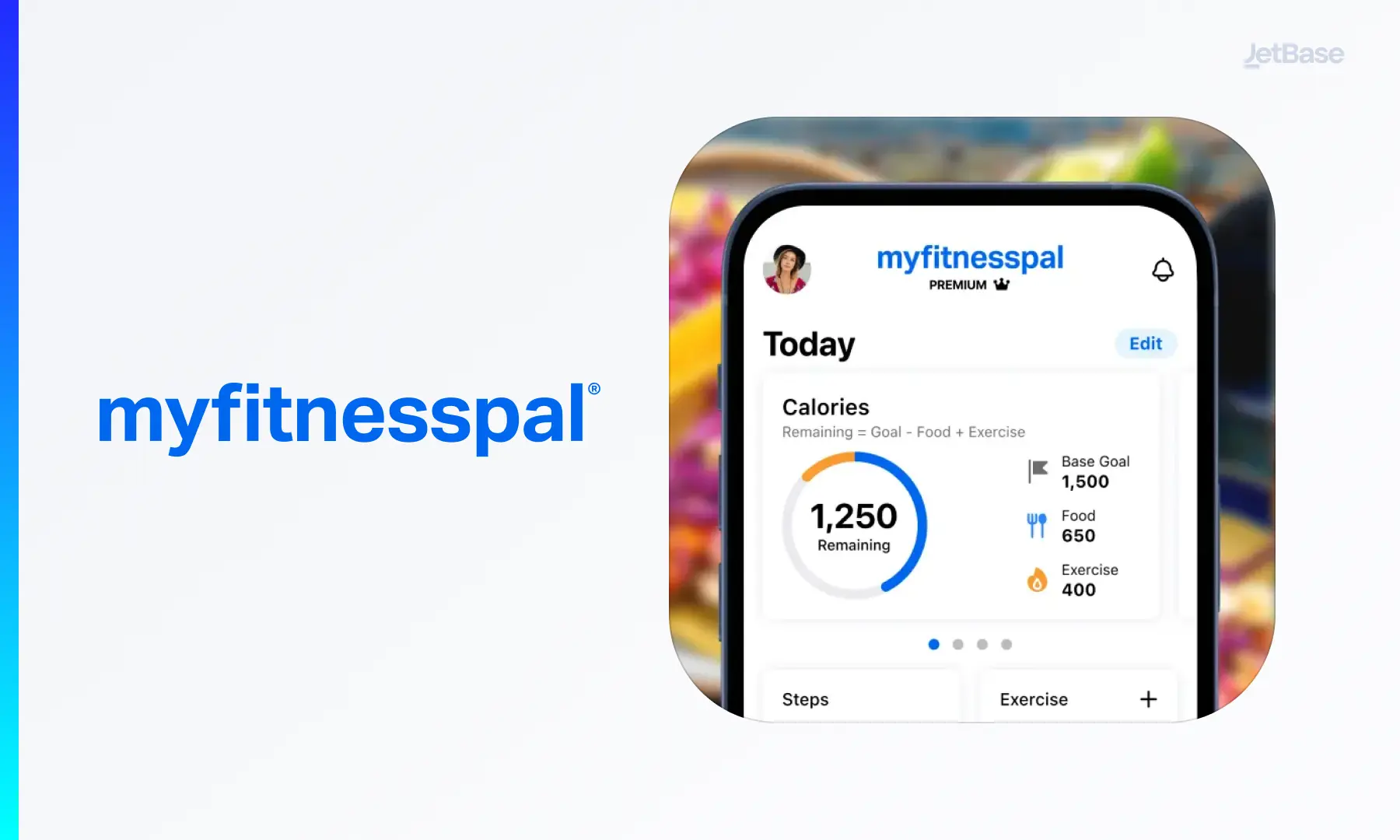
Patients who used MyFitnessPal sometimes report feeling a sense of pride when following the app’s recommendations and sticking to their diet. This is partly thanks to gamification in healthcare making the fitness journey less about stressful calorie counting and more about clearly defined, visible goals.
By breaking down an otherwise arduous task, MyFitnessPal creates the sense that it’s quite possible to achieve even the highest standard you set for yourself. This element of gamification instills a sense of confidence in users, helping them stick to their weight loss goals even through potential dips in activity.
Emerging Trends in Healthcare Gamification for 2025
Here are some things that shape gamification in healthcare in the present and are likely to shape it in the future.
The Rise of AI
We’ll mention this below, but one massive trend in gamification in healthcare (and in every other industry) is the use of AI, be it generative or LLM-based. Chatbots, acting as intermediaries between patients and doctors, simplify the medical pipeline. Meanwhile, unique rewards incentivize patients to put in the work if they want to stand out among the other users.
Therapy Gamification
Another major trend is gamifying digital therapy, which can help patients overcome addiction and mental illnesses. Users can complete tests, go through exercises, and track their progress within the app, all of which creates a positive association with the recovery process. Doctors hope this approach will help eliminate any adverse cravings, replacing them with healthier alternatives.
Emphasis on Prevention
A benefit of healthcare gamification is the growing awareness of health issues that should ideally allow patients to spot early signs of illness through their app. In such cases, they’ll be able to prevent the full onset of disease, following the best practices that they’ve learned. The educational element is vital for gamification, as it combines play and learning, creating value for users.
How to Gamify Your Existing Healthcare App with Jetbase
To make your implementation of gamification in healthcare successful, you need a competent, tech-forward team. This is exactly what JetBase is here for, offering more than a decade of experience with plenty of healthcare cases in our portfolio.
We pride ourselves on putting our clients first, adhering to their requirements, and always keeping them in the loop with regular reports and check-in calls. Our team has top-notch management that allows us to pivot when necessary and face any challenge. Through hard work and an impeccable work ethic, we always deliver above expectations.
So if you really want to gamify your health app, let’s start today. Get in touch and we’ll schedule a consultation.
The Future of Gamification in Healthcare
We expect healthcare gamification to continue growing as an offshoot of the medical industry as wearable devices become increasingly commonplace. Besides, there’s hope that patients will become more health-conscious in the wake of pandemics and rely on educational app elements more.
There’s also an expectation that the chronic illness solutions market will continue to grow, with gamified elements helping people control their health journey a bit more. With less need for expensive doctor appointments, they might be able to stick to routines that improve their quality of life substantially.
We also anticipate that more major healthcare players will opt for gamification and integrate it into their solutions, with drug and medical device companies partnering on such ventures. As a result, the field’s visibility will increase and reach more people who may need its benefits.