
The medical field evolves rapidly, as healthcare professionals seek to find better (and more technological) ways to treat patients. Keeping up with the deluge of changes and improvements in healthcare technology trends can be difficult, not to mention figuring out which ones can be the most useful.
Today’s guide from JetBase will provide you with a list of trends in digital healthcare, along with information on their benefits and nuances. We hope this article will enable you to make informed decisions about what to integrate into your digital ecosystem, thereby improving both patient care and operations.
Artificial Intelligence and Machine Learning in Healthcare
This is probably the most obvious among digital healthcare trends, as AI and ML tools have become ubiquitous in every niche across various industries these days. Data shows AI investments boomed in 2021 and have stayed steadily high since then, though with some dips. However, that’s the overall state of AI, so let’s peer closer and look at what it does in medicine.
Improving diagnostics and treatment plans
Hospitals can use AI-powered features to precisely detect, analyze, and diagnose medical conditions. This helps reduce the risk of misdiagnosis and speed up the entire process, providing urgent help to patients with serious illnesses.
Enhancing operational efficiency and reducing costs
One side of trends in digital health is the improvement of medical services for patients, but the other, equally important one is helping medical businesses optimize their operations. Using AI to streamline daily work and cut out excess spending can help hospitals spend smarter. All it takes is integrating solutions in the ecosystem and letting them find the best path forward.
Supporting — not replacing — healthcare professionals
A common fear associated with AI is that it will replace people. This concern is certainly not helped by individuals like Bill Gates, who have been prophesying that very outcome. We, however, don’t share this point of view. Instead, we see medical professionals using AI to quickly take notes, analyze medical imaging results, and generally make their working lives easier. That should be the focus of AI in medicine.
Cybersecurity: Protecting Healthcare in a Digital World
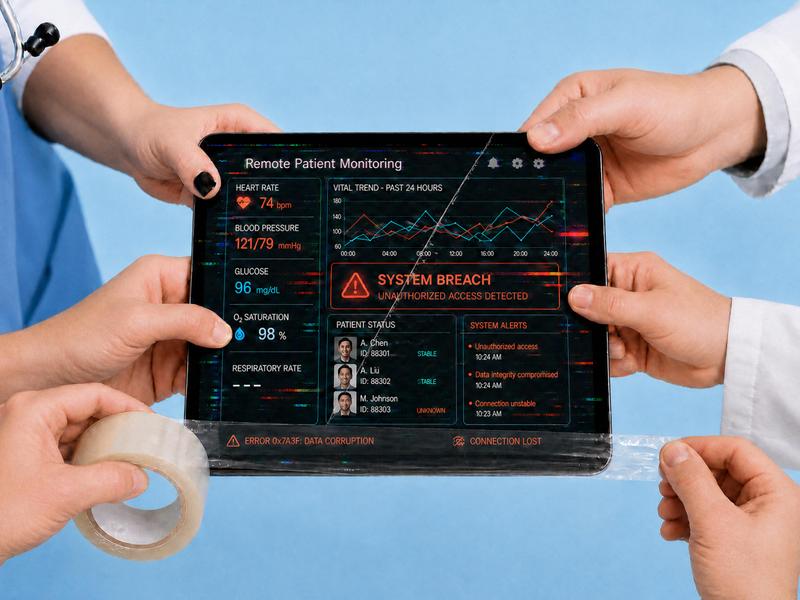
With the average cybersecurity breach cost at $9.77 mln in 2024, healthcare remains the costliest industry for breaches, a spot it’s held since 2011, according to IBM. Therefore, it’s no surprise that cybersecurity is still one of the prominent healthcare digital trends. Let’s explore it in more detail.
Data security as a foundation for patient trust
One of the best ways to build a good relationship with patients is by asking for their consent in data processing, while offering them multiple choices. Highlight your business practices around confidentiality and data protection and back this up with secure encryption on your databases. This is one of the digital health trends that protects your data and your reputation.
Navigating HIPAA, GDPR, and global data protection rules
Compliance with data privacy regulations is an essential aspect of security practices, and it’s a tricky one. Depending on the jurisdictions you serve, you may be subject to a whole slew of regulations. If you want to set up your ecosystem securely and with full compliance, it may be worth it to turn to a team that specializes in just this niche.
Managing privacy challenges in connected systems
Most medical businesses have sprawling, interconnected ecosystems, often using third-party tools or exchanging data with a variety of partners to improve their services. This is usually a good thing, but when it comes to data privacy, it presents a challenge. Digital trends in healthcare dictate that you need to set up rules and authentication checks that prevent any and all unauthorized access.
The future of cybersecurity in healthcare
Experts state that the industry will see a further emphasis on secure cloud environments and Zero Trust architecture, both serving to restrict access to private information. Some bolder predictions also include the use of quantum cryptography for encryption among the future digital health trends. That kind of protection is still a ways away, but we certainly wouldn’t write it off as a viable future tool.
Internet of Medical Things (IoMT) and Connected Devices
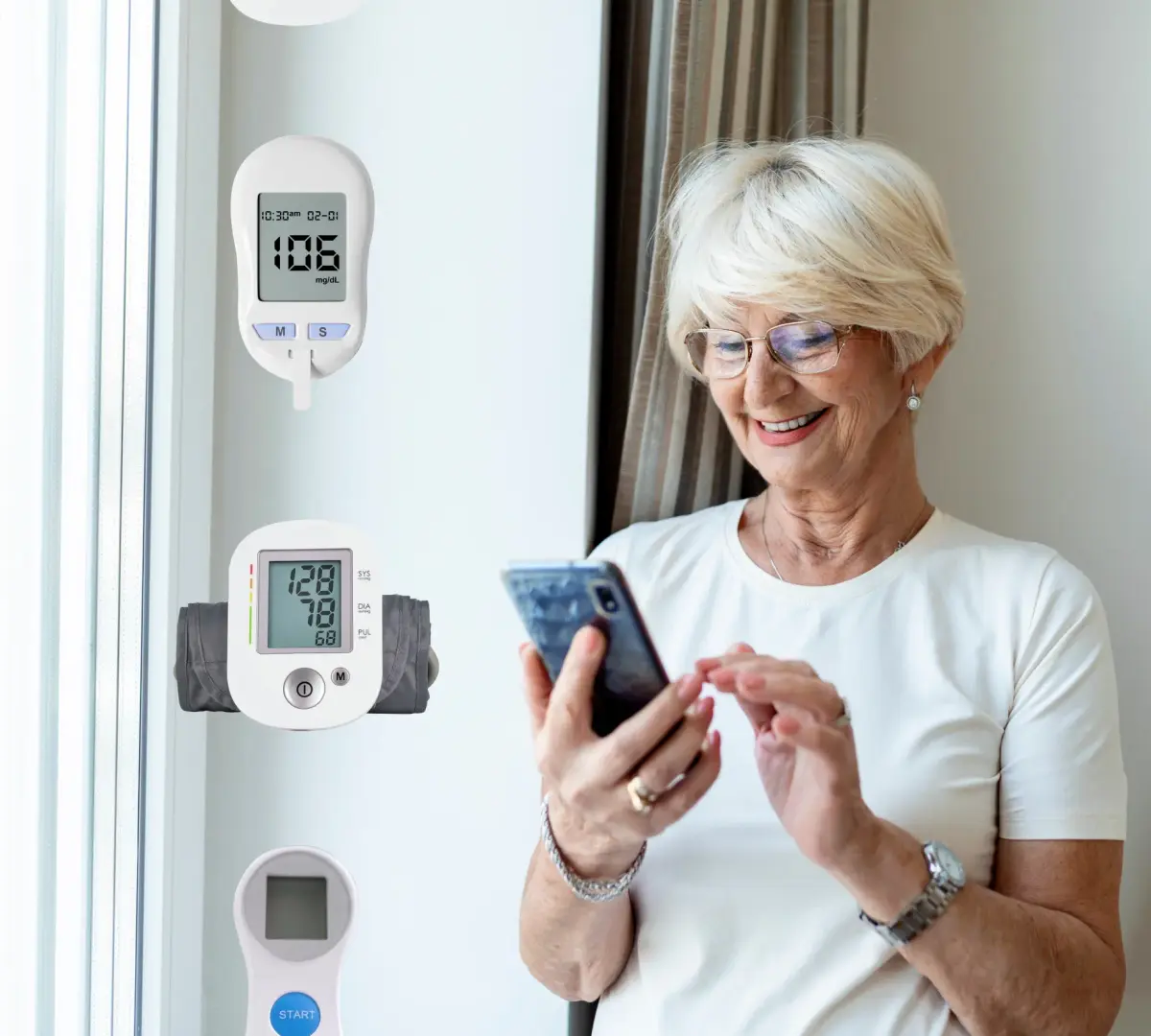
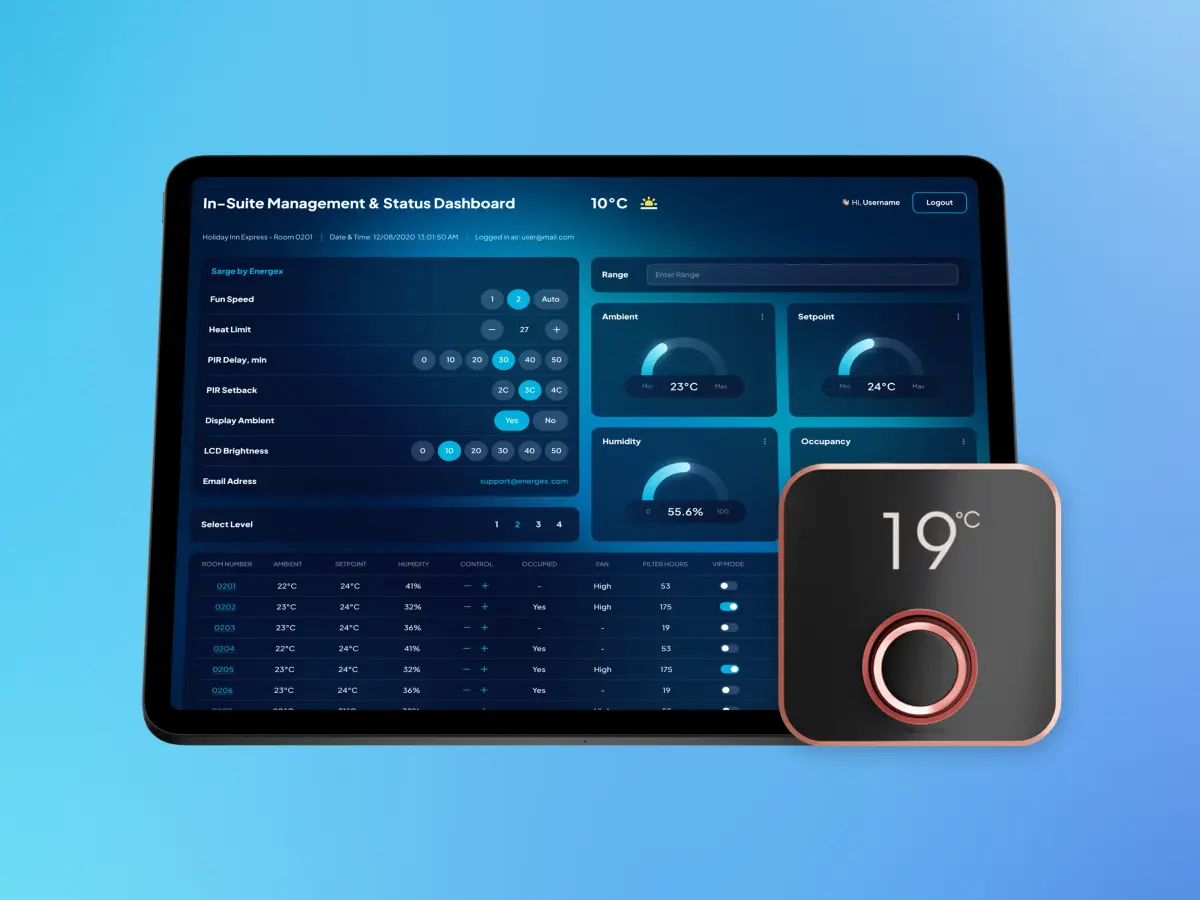
Hospitals following healthcare technology trends are striving to establish systems where devices are connected, sharing data and analytics. At the same time, they try to isolate IoMT devices from public internet exposure as part of a growing focus on cybersecurity.
Transforming remote care with smart devices
Remote interactions are also among healthcare technology trends, as making medicine available in remote or hard-to-reach areas is a matter of life and death. Smart devices, including wearables, make this easier, sourcing necessary data with no need for self-reporting. This is vital because patients may miss some symptoms or changes, while a machine makes that far less likely.
Improving real-time monitoring and chronic care
These healthcare technology trends can also help keep an eye on patients with smart devices constantly sending back relevant health data. This approach is both more effective and cheaper than having human personnel watching over the patients. They are also more viable long-term for patients with chronic conditions that require daily oversight.
Addressing security and privacy concerns
As we said above, your patients must feel confident their data is protected. It may be useful to have an information portal outlining how it is possible to follow digital trends in healthcare and keep your business secure. Additionally, you may want to limit data exchanges with third parties. Placing strict rules on data processing will help keep it safe.
Virtual and Augmented Reality
Another dimension of healthcare technology trends, the use of VR and AR to change how patients experience various services, isn’t brand new, but it is still popular and evolving fast. Here are some use-cases.
Virtual reality for patient therapy and training
Therapy is about bringing comfort to ailing minds, which is easier to do when the patient feels like they’re in a safe environment. Therefore, digital trends in healthcare suggest using VR to create virtual spaces where patients can comfortably share their feelings, perform exercises, and regain their health.
Augmented reality for surgery and diagnostics
Research suggests that surgeons can benefit from AR headsets that feed them all relevant information during surgeries and provide necessary analytical data for any operation. As a result, they can make informed decisions on the fly, saving lives by using reliable, hard data.
Expanding medical education and simulation
Training new medical staff is a lengthy process. Yet, you can speed it up with digital trends in healthcare. Interns can operate on vital organs in VR settings without putting anyone at risk while still getting a very realistic experience.
Telemedicine and Remote Patient Monitoring
Ever since the COVID-19 pandemic, digital trends in healthcare have been shifting toward telemedicine and remote care. Here’s where they are now.
Expanding access to care through virtual visits
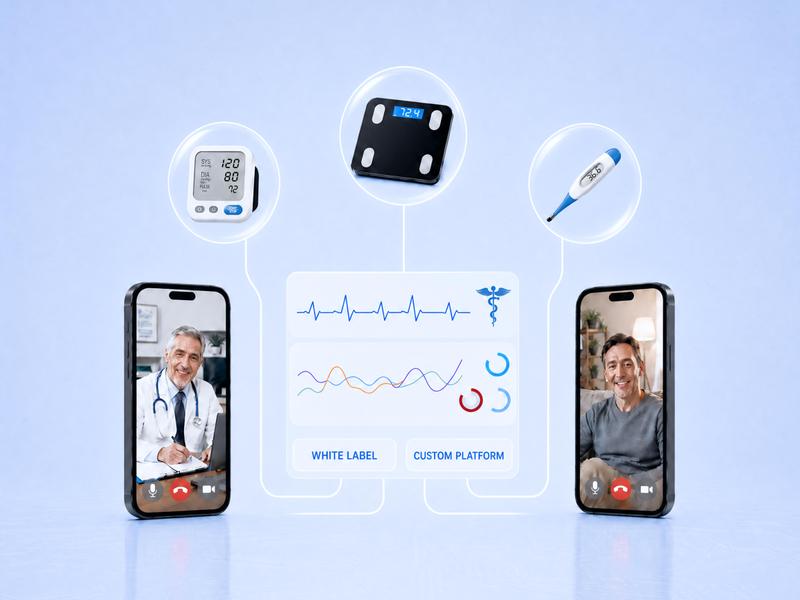
Making medical services more available is a crucial goal for digital trends in healthcare, and telemedicine achieves that well. Doctors can see more patients a day, all the while staying in their office, using virtual check-ins to provide diagnoses and consult patients.
Remote patient monitoring for ongoing conditions
From standard wearables to delicate sensors, doctors can keep a close eye on the patients’ status and track any changes. This application of healthcare technology trends allows hospitals to offer the same level of care and monitoring to everyone, regardless of staff availability.
Improving outcomes and lowering costs
Constant vigilance and up-to-date health information collection help avoid complications in diseases and cut the cost of per-patient processing. The same goes for telemedicine, which makes it possible to offer patients care without renting a large office and hiring staff to run it. It’s a streamlined way to provide medical care to everyone.
Automation of Administrative Processes in Healthcare
Cutting out routine work and minimizing administrative expenses is also among the healthcare technology trends. You can achieve this with the following applications.
Streamlining workflows to reduce human error
Basic functions, such as patient registration, can be automated, eliminating the risk of a worker mislabeling something or making a typo. It also speeds the process up considerably and helps spend less time and money on it.
The role of automation tools in communication
AI-enabled chatbots can help make doctor-patient communication more efficient and accessible. Doctors will be able to focus on the actual consultations while symptom gathering and general questions can be automated.
Enhancing staff engagement and compliance
Automated systems can help assign shifts, test staff training results, and generally create a more favorable environment for them to grow. Utilizing modern technologies such as AR and AI, you can enhance employee performance and train them more efficiently.
Data Interoperability and Standardization in Healthcare
Unifying operational data makes it easier to share with partners, plug into new analytics models, and avoid errors and disruptions. Here is how healthcare technology trends enable this.
Overcoming fragmented healthcare data systems
Healthcare data accumulates over decades, creating a need to keep it fitting a single format and stored in the same way. This helps keep older information accessible and safe from any attack vectors that new data is protected from. Using a variety of tools, companies can bring data to one specific format and clean it up, removing any issues.
Improving equity and outcomes through data sharing
Patients may have histories spanning multiple healthcare providers, which necessitates sharing information with partners and other companies. Following the latest healthcare technology trends ensures that this process is conducted securely and patients receive the best possible treatment. No reason to work with incomplete information when data is fully interoperable.
Moving toward global data standards
People deserve quality healthcare regardless of where they live, which is why the industry should strive to offer the same services, comply with the same privacy laws, and standardize its data. This would enable patients to access healthcare anywhere, with instant data syncing and the ability to view their medical history on the go.
Employee Communication and Digital Training
Hospitals can be quite massive, and keeping everyone in the loop regarding room availability and scheduling can be tricky. Moreover, healthcare professionals need an efficient way to keep up with the recent developments in their fields. This is where digital technology can also come in handy.
Bridging gaps in internal communication
Keep your departments connected with internal chat systems, automated notes for doctor visits, and data sharing. Secure communication tools are one of the healthcare technology trends that allow doctors and nurses to discuss work matters with no fear of leaks and breaking confidentiality.
Retaining staff through two-way engagement
Establish ways for your staff to give their feedback and report any issues, using methods like surveys. Keeping internal processes transparent will help ensure employee satisfaction and the resolution of any unresolved issues.
Flexible and on-demand learning for healthcare professionals
Improving one’s skills and knowledge is a great way to keep up with the changes in the industry and should be encouraged wholeheartedly. Using technology, from knowledge portals to VR exercises, allows you to efficiently train up staff as needed, adhering to new quality standards.
Blockchain Technology in Healthcare
While its heyday may have passed, blockchain has now filtered into a reliable and long-lasting technology. Thus, it can be used with no worries about the overhyped healthcare technology trends, boosting security and transparency in medical businesses.
Securing patient data with decentralized systems
Instead of trusting that a single database with basic authentication rules can protect everything, use decentralized ledgers to store information on patients and services rendered. This can allow hospitals to easily access data and share it when necessary while keeping it far from prying eyes.
Enabling transparent, tamper-proof medical records
Healthcare technology trends encourage the use of blockchain for record-keeping because it helps ensure that the data is precise and only editable by specific people. This way, doctors can be sure there are no mistakes in a patient’s files while still keeping them transparent and accessible.
Potential applications for claims and supply chain
Blockchain can also work for contracts in cases like claim processing and the supply chain. This helps set terms in stone and easily track any changes made over the years. Blockchain-enabled devices can also be used for logistics, guaranteeing that the medicine has been transported without any safety protocol breaches. This can be crucial for medication that is sensitive to temperature changes or rapid movement.

Sustainable and Green Healthcare Technology
There are no signs of slowdown among green trends worldwide, and healthcare technology trends are no exception. Making your operations more environmentally friendly can be a significant step toward building a better, healthier future. Let’s talk about how to do that without breaking the bank.
Greener practices in healthcare facilities
Start with very simple practices like minimizing paperwork, opting for reusable devices, and shifting to alternative energy sources. All of these measures should also help reduce expenses, especially if the business becomes self-sufficient in terms of energy use.
Reducing the environmental impact of medical devices
Data shows that reusable devices are a massive factor in cutting carbon emissions, with 38 to 56% reductions. In fact, it seems to indicate most businesses only pick single-use alternatives due to the lower prices. However, in the face of growing environmental concerns, we expect healthcare businesses to reconsider this approach.
Future trends in sustainable health technology
Looping back to the AI trend, it will most certainly be used for predictive analytics, allowing hospitals to prevent major outbreaks and medical product waste. The same technologies can also help find optimized designs that support multiple uses and have a longer shelf life. Thus, healthcare technology trends are likely to result in more devices and medical items becoming reusable.
High-Personalization Healthcare
The next in our list of healthcare technology trends is the lean into more personalized medical services, including some changes that are only possible thanks to the latest advances.
Genomic sequencing in medicine
Doctors can now break down the human genome at a much lower cost, making it possible to spot hereditary illnesses and adjust treatments. The latter is important because specific parts of the genome may make patients more susceptible to certain treatments.
Pharmacogenomics
It’s no secret that some people have adverse reactions to certain medications, which makes this movement a very exciting future prospect. Medical professionals are now able to understand a patient’s sensitivities from their genome and adjust their prescription accordingly. This could have a major impact on the side effects people feel from their drugs.
Accounting for patients’ lifestyle
This trend is about the ability to adjust treatment based on its effectiveness for that particular patient in their current state of life. That means adjusting dosages for individuals with a sedentary lifestyle or limiting them for those with mild symptoms and a healthy lifestyle.
Robotics in Medicine
Last and, perhaps, one of the most futuristic among the healthcare technology trends, the use of robotics in this industry will only ramp up, and we find it quite exciting. This will be represented in the following ways.
Robotic medical assistants
Surgeons can use robo-assistants to perform intricate surgeries with no risk of contamination or fatigue, helping them along in long operations and speeding them up substantially. Again, as with AI, this doesn’t advocate for replacing human assistants. Rather, it just makes their jobs easier.
Telemedical operations
Another future-forward choice among the healthcare technology trends, this isn’t widespread for now, as we need more advanced robotics to really popularize it. However, it’s already possible for surgeons to run operations even when they’re across the globe. This opens up quality healthcare to people in any region.
Robotics for rehabilitation and therapy
Patients can use robotics-enabled exoskeletons and prosthetics to recover from major damage or lifelong disabilities. This may be a trend that helps countless people get their quality of life back after debilitating trauma. It’s currently still a rather expensive solution, of course, but as the technology develops, it will become more widely available.
How to Prepare for Healthcare Technology Trends in 2025
We’ve presented you with the top healthcare technology trends for the year and the future, featuring some really exciting modern technologies, including:
- AI and machine learning;
- AR and VR;
- Robotics;
- Blockchain.
However, you may now be left with the question of how you can implement some of these trends, especially in businesses with legacy medical systems. We’ll be the first to admit that some of these trends work best only with the right level of integration. Thankfully, all you need for that is a skilled team, and you have one right here.
JetBase has over a decade of experience with multiple successful healthcare projects in our portfolio. We always strive to deliver professional, high-quality software development and system optimization. If you want to ensure your medical business is at the forefront of the industry, we’re the ones to turn to. Just send us a message to get started.