
The world of medical software and technology is quite vast, with patient- and doctor-facing apps, ERP products for business management, and, of course, pharmacy app development. Today, we’d like to talk about the latter crop of products, which are used to boost pharmaceutical companies and provide important medication to patients.
Even within this one niche of the industry, there is plenty of variety. This article will cover the types of pharmacy app products, their utility, and examples of such apps in practice. We’ll discuss the essential features for pharma app development, their legal challenges, and the development process. By the end, you will have a complete picture of the market and will be able to launch your pharmacy app successfully.
Overview of the Online Pharmacy Market in 2025
It’s not enough to just say the market is thriving, though it certainly is. We want to explore why pharmacy app development has become a lucrative niche and what prospects this space has. So let’s talk about how the market has been performing and what new players can do to capitalize on it.
Global ePharmacy Growth Trends
Market experts predict that the pharmacy app industry is going to absolutely explode in the coming year, exceeding $258 billion by 2033. Current estimates put it at around $128 billion already, showing how strong this space has become in recent years. We’re also seeing interest in this particular niche coming from a specific direction, the Global South.
With countries like India, Nigeria, and Kenya showing acute interest, there is a massive potential audience for these products, and pharma app development is sure to pay off. However, you need to know not just how much profit you stand to make but why interest is surging.
Key Drivers Behind the Surge in Online Medicine Delivery
Using scientific data, we can see that the following factors are just some of those prompting demand for online pharmacy app development:
- Improved accessibility to medicines, particularly in underserved areas
- Greater safety and convenience in the wake of COVID-19
- Digital prescription management tools that streamline medicine ordering and tracking
As we already mentioned, many countries with poorer populations and a high number of rural settlements are great markets for pharmacy app projects. They may lack physical pharmacy locations, and ordering the necessary meds online, especially in bulk, might be a viable alternative. With COVID having disrupted a lot of trade and forced many businesses to move online, this shift to online pharmacy app development seems entirely logical.
Market Opportunities for Startups and Enterprises
It seems clear that the growing interest in pharmacy app projects leaves plenty of space for new participants in the market. This opens up a direct line for startups to enter the market with high-quality apps that fill demand for the product in a variety of regions.
Why You Should Build a Custom Pharmacy App
Since the market is ready for new companies to try their hand at pharma application development, all that’s left is for you to take the plunge and do it. We’ll help you make that decision with some pointers on why a pharmacy app is a good investment.
Increase Sales and Revenue
By going for pharma application development, you effectively expand the potential reach of your business. While a physical pharmacy can only really serve those in the immediate area, a pharmacy app can cater to people from all over the city, country, or even region.
Improve Customer Retention and Loyalty
Throughout pharma app development, you can introduce reward programs that incentivize customers to stick to your particular brand. With point accumulation, free delivery bonuses, and user-tailored sales, a pharmacy app can help keep your user base loyal.
Optimize Operations and Reduce Costs
Forget about expenses like rent and physical location upkeep, with pharma application development, you can streamline everything to minimize costs. Medicine will go directly from your supplier to customers, and demand will be easy to manage and predict with plentiful data.
Meet Growing Demand for Digital Healthcare Solutions
The research we referenced before shows that people are ready to rely on digital offerings for their medical needs. As more and more countries jump on this bandwagon, you can capitalize on the interest with a pharmacy app of your own.
Pharmacy Apps Types You Can Build
To capitalize on the market’s eagerness, you will need to provide a pharmacy app that meets a specific subsector of demand. Here are just a few kinds of pharma app development that could pay off.
Online Medicine Delivery Apps
Perhaps the most straightforward pharmacy app type - users can place orders for their medication to be delivered straight to their door. The benefit here is that they don’t have to search for the drugs they need across multiple locations or worry about running out of their prescription.
Pharmacy Marketplace Platforms
Similar to the previous type, this kind of pharmacy app aggregates offers from many pharmacies and chains, allowing customers to find the best deals and place online orders. Unlike regular online delivery apps, this one may also feature options for in-person pickup, as well as offer a wider choice with all pharmacies in the region providing their selection.
Branded Apps for Chain Pharmacies
Major chains may want online pharmacy app development to create an easy way for their clients to see deals, browse their stock, and take advantage of loyalty programs. This encourages people to stick to one specific chain.
Drug Reference and Prescription Apps
This kind of pharmacy app can help prevent fraud, as it can host all of a patient’s prescriptions with digital certificates proving their authenticity. Doctors can also track these digital prescriptions and manage them with re-ups. The apps should also provide plentiful information about the meds, allowing patients to make sure that none of their prescriptions clash with each other.
Telepharmacy & Consultation Apps
Patients can also use a pharmacy app to get in touch with professional pharmacists, who can recommend them the best over-the-counter medication and advise them on the right intake. This allows them to have reliable advice without leaving the house during bouts of illness.
Real-World Examples: Top Online Pharmacy Apps
We’d like to show off the viability of online pharmacy app development with some successful cases, so let’s take a look at four real products that found their niche in the market.
Walgreens Mobile App
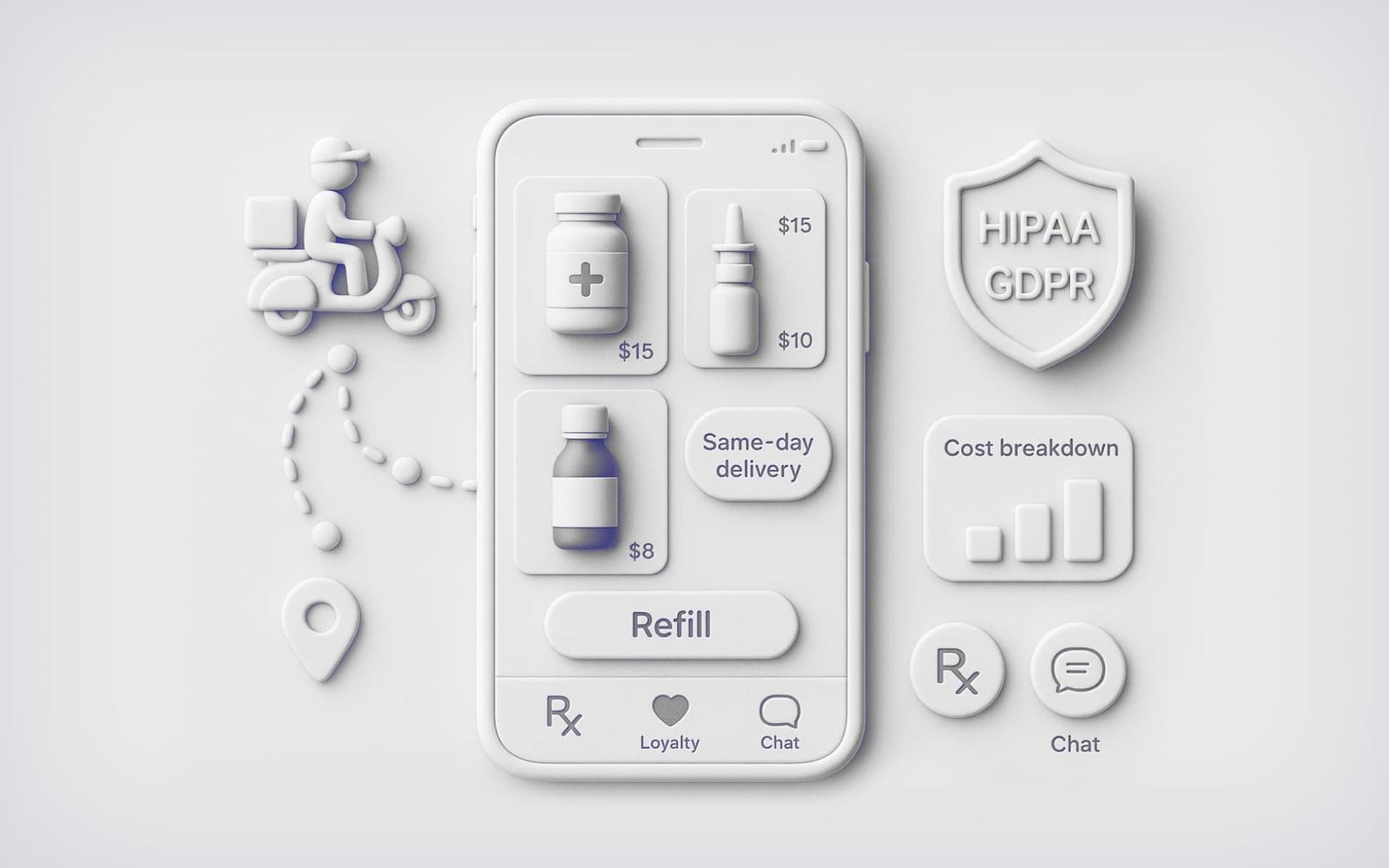
This branded pharmacy app for the Walgreens chain offers all the classic benefits to its users: free same‑day delivery, ability to refill prescriptions by scanning a prescription bottle or barcode, and loyalty rewards. It also allows customers to schedule vaccinations at Walgreens locations, boosting their health.
CVS Pharmacy App
Similar to Walgreens, this pharmacy app offers delivery and in-store pickup options, alerts about the need to refill a prescription, and daily deals on medication. However, despite its substantial popularity, the app receives criticism for bugginess (login issues, crashing interfaces, and troublesome navigation). This highlights the importance of actually polishing the product before it’s pushed to the customers.
Capsule
Branding itself as an alternative to more corporate choices, this pharmacy app promotes itself as a “kind pharmacy”, with a gentle tone of voice and free medication delivery. They manage prescriptions, work with all major US insurance companies, and reportedly provide a quality service.
Epocrates (for professionals)
Unlike the previous apps, Epocrates is a pharmacy app specifically for pharmacists and doctors, where they can identify pills, check interactions between meds, and find the optimal treatment courses for their patients. It provides a massive knowledge base and courses that allow medical professionals to refine their skills and stay informed on new drug developments.
Must-Have Features in a Pharmacy App
To make an impact in the market, you need to offer competitive functionality in your product. So let’s talk about what you should add when you develop online pharmacy app features, the absolute essentials that all users will appreciate.
User Authentication and Profile Management
A basic profile page with a secure login, as well as two-factor authentication, is the basis of most apps, but especially one that deals with private medical data. Patients should be able to customize their pharmacy app profile to reflect their medical history, personal info, and prescriptions.
Drug Search, Filters, and Categories
There is no shortage of medication out there, so your app must make it easy for patients and doctors to find the right drug at the correct dosage. A flexible filtering system will simplify that process, while a precise search, perhaps with AI suggestions, will help even more.
Secure Checkout and Multiple Payment Options
Pretty much any pharmacy app will involve payments, including ones with insurance copay. Use reliable payment processors and encrypt all payment data in the app to protect patients and prevent leaks and fraudulent payments. It’s also important to provide different payment choices, including credit cards, pay-on-pickup, and installment-based purchases.
Prescription Upload and Management
Another cornerstone of a pharmacy app is the ability to process doctors’ prescriptions, including the ability to scan and update them within the app. This should ideally include tools for both doctors and patients to access and use the prescriptions.
Real-Time Order Tracking
A pharmacy app that offers delivery should obviously have a way to see when exactly it will arrive and relevant data about the order. This should also include a section on order history, so that patients can easily recall what medication they took and when their last refill was.
Push Notifications and Refill Reminders
Adding notifications to your pharmacy app can let users know their delivery is almost there, inform them of discounts, or simply alert them about the need to take their medication. It’s also great for warning them early about the need to buy a prescription refill.
Integrated Chat or Chatbot Support
In place of a clerk or drugstore assistant to help people choose the right medication, a chat can serve as an advisory on any questions about side effects, drug interactions, or off-brand alternatives. That way, patients get all the info they need from your pharmacy app and can see it as a reliable medical tool.
Advanced Features to Stay Competitive
Of course, a good pharmacy app should offer more than just the baseline functionality. Here are some ideas for extras that will keep users coming back.
Barcode Scanning for Easy Refills
This one is great for pharmacy app development if you want patients to be a little more autonomous. In short, they’ll be able to scan the barcode on their medication to bring up the same drug in the app and, if they have a prescription for it, instantly order a refill. No searching or chatting with a pharmacist required.
AI-Based Drug Recommendations
For lighter conditions that don’t require professional intervention or prescriptions, patients should be able to use your pharmacy app’s built-in recommendations. A trained AI algorithm can advise them on the best medication to treat a cold or a persistent cough, for example.
Family Profiles and Multi-User Accounts
Whether it’s to help the elderly or kids get their medication, or to let spouses refill each other’s prescriptions, a family version of user profiles can be quite helpful in a pharmacy app. We would also advise setting up permissions that allow users to hide certain medications for privacy reasons. That way, families can share accounts without worry.
Telehealth or Video Consultation
Like we said in the section on pharmacy app types, the ability to remotely contact a doctor or pharmacist for medical advice can be very important. While some apps opt to rely on AI chatbots only, the availability of trained professionals can make your pharmacy app appear more trustworthy.
Voice Search and Accessibility Options
A lot of people who need medication the most will be elderly or disabled, making accessibility features incredibly valuable. It can be as simple as larger or specialized fonts or more intricate, such as voice-enabled search in your pharmacy app or text-to-speech capabilities for the visually impaired.
Integration with Wearables or Health Devices
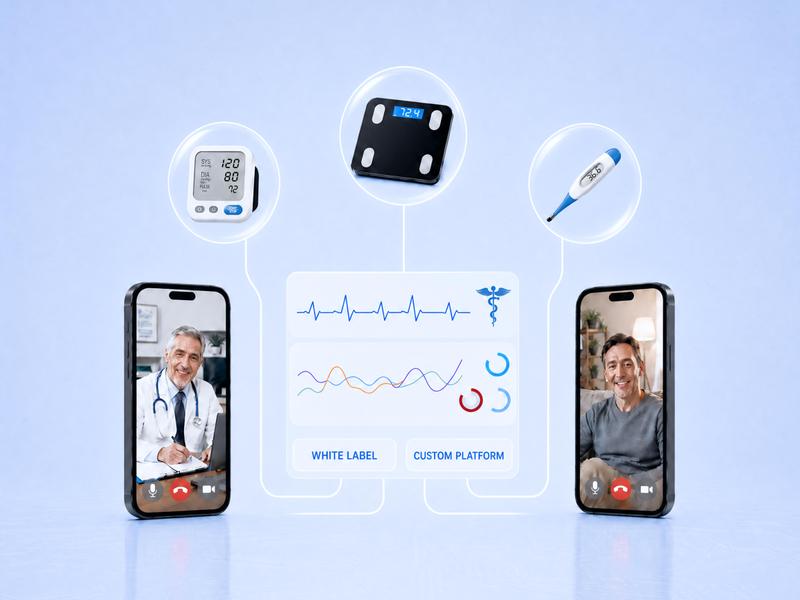
IoT plays a significant role in modern medicine, and being able to sync health data with a patient’s devices is helpful when it comes to updating their prescriptions according to the latest changes. It can also be used to send notifications about medicine intake from your pharmacy app to their wearables, reminding people to take their drugs.
Business Web Portal for Admins
If you want to cater your pharmacy app development to medical professionals and pharmacy admins, a business portal is essential. It allows them to place bulk medication orders, control supply lines, and navigate patient data in an intuitive and fast manner.
Legal and Regulatory Compliance for Pharmacy Apps
Any medical application needs to comply with relevant legal regulations, and if you want to develop online pharmacy app products, you’re going to face this challenge as well. While each region has its own legal rules, we’re going to provide information on the most prominent ones.
HIPAA and HITECH Compliance
If you’ve done any medical work, you know what HIPAA is, while HITECH is essentially an extension of that legislation’s powers. HITECH promotes health information technologies and boosts fines for HIPAA violations, making them a vital tandem to navigate. Keeping your pharmacy app compliant with these requires strong security features and timely communication of any leaks or breaches.
Regional Data Privacy Laws: GDPR, CCPA, PIPEDA
Canadian PIPEDA and CCPA, limited to California, are less known than the EU’s expansive GDPR legislation, but they share similar sets of rules. The main difference is that CCPA and GDPR allow users to request the deletion of their data, and PIPEDA does not.
Similarly, GDPR and PIPEDA require explicit user consent for certain data processing, while CCPA requires none. If you’re doing pharmacy app development for a range of markets, the safe bet would be offering both deletion and view controls, as well as consent forms for all users. That way, you cover a variety of laws and make it easier to expand your user base later on.
Drug Distribution Regulations: DSCSA, CSA
Staying compliant with these supply chain regulations requires using open and standardized electronic data formats, so that the origin and authenticity of your medication can be verified. Therefore, pharmacy app development should account for the need to structure data in a particular way and with a specific format, influencing the very architecture of your pharmacy app.
Security Frameworks: NIST Guidelines
This framework is entirely voluntary, but we still advise following it, as it will make your pharmacy app more secure and prevent any incidents that would surely lead to fines. The general rules here are quite straightforward, requiring pharmacy app development to include:
- Access controls
- Anomaly detection
- Response and recovery plans
- Risk and asset management
Pharmacy App Tech Stack and Architecture
Building a pharmacy app isn’t just about compliance and features, it should also rely on a well-thought-out architecture. Based on our own experience, this is what we’d use to develop online pharmacy app.
Recommended Frameworks and Languages
Every development company has its own preferences, so we’ll just stick to a straightforward list of what we like and let you judge it for your own use case.
Front-end: Swift and Kotlin are our picks for native iOS and Android development, respectively, though our general choice would be React.
Back-end: Node.js is the perfect pick here, especially thanks to its scalability.
Database: MongoDB works perfectly for pharmacy app development.
Cloud platform: AWS is our favorite, though GCP is also a good, competitive pick.
Choosing Between Native vs. Cross-Platform Development
Realistically speaking, you only need to develop online pharmacy app versions for two core platforms: iOS and Android. Therefore, it may be cheaper to just do cross-platform development, which is a big plus. However, native development allows you to take advantage of the platforms’ features and optimize the app’s performance.
APIs for Drug Databases, Maps, Payments, etc.
RESTful APIs all but guarantee connection stability and efficient performance when you develop online pharmacy app. You can use APIs from openFDA, MedlinePlus, and DailyMed, among others, to supplement your own databases and provide all necessary medicine coverage. As for payment and map APIs, go with the classics for your pharmacy app: Stripe and PayPal; Google Maps or Apple Maps.
Cloud Infrastructure and Hosting
Using the cloud is practically mandatory as it ensures your pharmacy app will be stable, always available, and fast-loading. It also helps secure data storage, using the cloud provider’s plentiful resources.
Step-by-Step Guide to Building a Pharmacy App
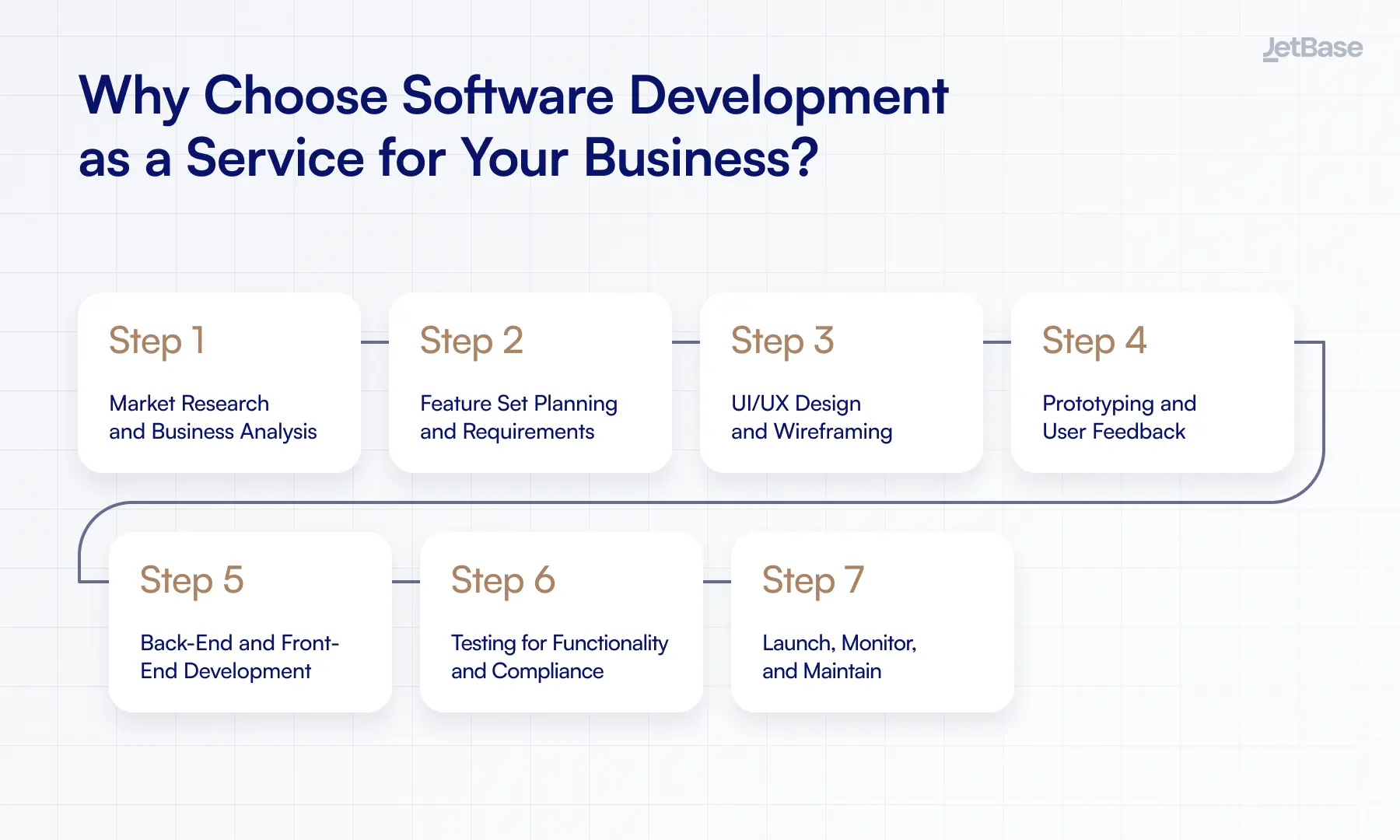
A guide to pharmacy app development wouldn’t be full without a description of the process itself, so let’s dive in.
Step 1 – Market Research and Business Analysis
The best way to start pharmacy app development is by seeing how receptive the market will be to your product and what the current trends are. This will help you organize the development process and ensure that you’re investing in a profitable idea.
Step 2 – Feature Set Planning and Requirements
Based on the previous analysis, pick your feature set and decide what the tech stack of your pharmacy app should be. Here, it’s important to balance valuable functionality with the cost of actually implementing it.
Step 3 – UI/UX Design and Wireframing
Perfecting your design is a crucial stage of pharmacy app development, especially in terms of raising accessibility and making the app more inviting to users. Remember that each iteration should represent an improvement, with A/B testing helping the app evolve.
Step 4 – Prototyping and User Feedback
Initial prototype versions should include only the essentials and allow you to stress-test your app’s value for users. At this stage, you must account for any pointers that users give and either emphasize positively received features or work on the criticized ones.
Step 5 – Back-End and Front-End Development
Creating a fully realized version of your pharmacy app is going to be the most time-consuming part of development and, perhaps, the most vital one. Your team will need to optimize the app’s architecture and refine its code to create a high-quality product.
Step 6 – Testing for Functionality and Compliance
We’ve already outlined the importance of legal compliance and building a quality product, and this step is all about ensuring these two points. Extensive QA work and legal consultations will help guarantee you’ve ironed out all the bugs and protected user data according to regulations.
Step 7 – Launch, Monitor, and Maintain
Once your product is complete, you launch it and gather data on how users interact with it, what they like and dislike, and plan your next steps. This should involve both feature updates and basic maintenance, guaranteeing your app’s longevity.
Common Challenges in Pharmacy App Development
Creating a pharmacy app isn’t always smooth, and this section will help you avoid the typical roadblocks that could disrupt the process.
Regulatory Complexity
Us devoting a whole section to it should give you an idea of just how vital legal compliance is and, with each region and subsection of the medical industry having their own rules, it’s a complex problem. Enlist the help of legal specialists for each region you plan to operate in and understand that sometimes this compliance will require changes to the app’s features.
Ensuring Drug Authenticity and Data Accuracy
Managing your pharmacy app supply chain is a matter of transparency and traceability, which you can increase by using blockchain-based records and working with pre-vetted companies. In the US, you should only work with businesses that are compliant with DSCSA and have the right certificates to prove their products’ authenticity.
Logistics and Last-Mile Delivery
Last-mile can make up 53% of the total logistics cost, cutting into your profit margins. Some ways to address that are:
- Promotions that encourage larger orders
- Warehouse deliveries instead of door-to-door
- Pool together deliveries in nearby locations
This way, you will have fewer trips scheduled and can lower the overall logistics expenses.
Scalability and Future-Proofing
We already pointed out that Node.js is our prime pick thanks to its scaling potential, and another way to ensure your pharmacy app nurtures your business growth is through cloud infrastructure. AWS, for example, offers more than enough to keep your app thriving, giving you the ability to amass users and introduce resource-heavy, trendy new features.
UX for Elderly and Differently-Abled Users
Lastly, we’ll stress the importance of accessibility features again. Make sure you include speech-to-text (and vice-versa!), specialized fonts, and sound cues in your product. Keeping it extra-accessible will help you reach a wider audience and support those who need it most.
How Much Does It Cost to Develop a Pharmacy App?
Our last section is about the age-old question of budget, as we break down the typical expenses and give tips on minimizing the cost without sacrificing quality.
Cost Breakdown by Development Stage
Here’s a quick rundown of what each part of building a pharmacy app entails:
| Stage | Approximate time | Cost |
|---|---|---|
| Market research and analysis | 24 hours | $1,000 |
| Requirement gathering and planning | 16 hours | $700 |
| UI/UX design and wireframing | 120 hours | $5,000 |
| Initial prototyping and feedback collection | 250 hours | $12,000 |
| Front-end and back-end development | 1,300 hours | $58,000 |
| QA and testing | 260 hours | $11,000 |
| Project management | Summary of all other stages | $18,000± |
Factors Affecting Price
If you want to keep the budget of your pharmacy app development minimal, you need to work out how to adjust the typical factors that change the final price. The first of these is your team’s location, as developers in North America charge much higher rates than those in Eastern Europe.
Similarly, the size of the team will influence how much you have to spend, though trying to run a very small team for an ambitious app is also not a great idea. We suggest finding a balance, where every member has specific tasks but nobody is shouldering the workload of two people. In the same vein, features are obviously a major factor, and trying to cram too much into your app will be both expensive and ineffective from a design standpoint.
Ongoing Maintenance and Support Costs
While the cost breakdown doesn’t include maintenance, as it comes after the initial development, it’s still a major investment. Even through the first year of your app’s lifecycle, you should be pushing updates, bug fixes, and conducting maintenance on its infrastructure. This can incur extra costs that go toward expanding your cloud storage, compensating for downtime, or even just building new functionality.
Building a Scalable and Compliant Pharmacy App
This deep-dive guide to pharmacy app development has hopefully answered all of your questions and has inspired you to start working on your own product. If you need practical expertise and a team with medical experience, JetBase is happy to help.
Through over a decade of successful cases, we have honed our skills and approach to collaborations, leaving us a prime choice for those seeking quality and professionalism. Get in touch today and let’s make some magic.